Binghamton homeowners contend with changing conditions throughout the year, from soaking rain and thunderstorms to snow, ice, and repeated freezing and thawing. A seasonal roof and gutter routine can help identify concerns before a storm exposes them. When a concern cannot be safely assessed from the ground, consulting a qualified roofer may help clarify the condition of the roof.
Preparation is not just about keeping a roof looking tidy. A loose shingle, open flashing seam, blocked gutter, or low-hanging branch can create a pathway for water or impact damage. Addressing visible warning signs early may help protect insulation, framing, ceiling finishes, stored belongings, and areas near the foundation.
Why Roof Preparation Matters in Binghamton
A roof system has many connected parts, including shingles, flashing, vents, gutters, downspouts, decking, insulation, and attic ventilation. A weak point in one area can affect another. For example, water entering near a small flashing gap may travel along the roof decking or framing before becoming visible as a ceiling stain indoors.
Heavy runoff also needs a clear route away from the house. When gutters overflow, water can spill against siding and collect in soil beside the foundation. Routine observation after rain can be useful because it shows whether water is flowing through the system as intended.
Start With a Safe Ground-Level Check
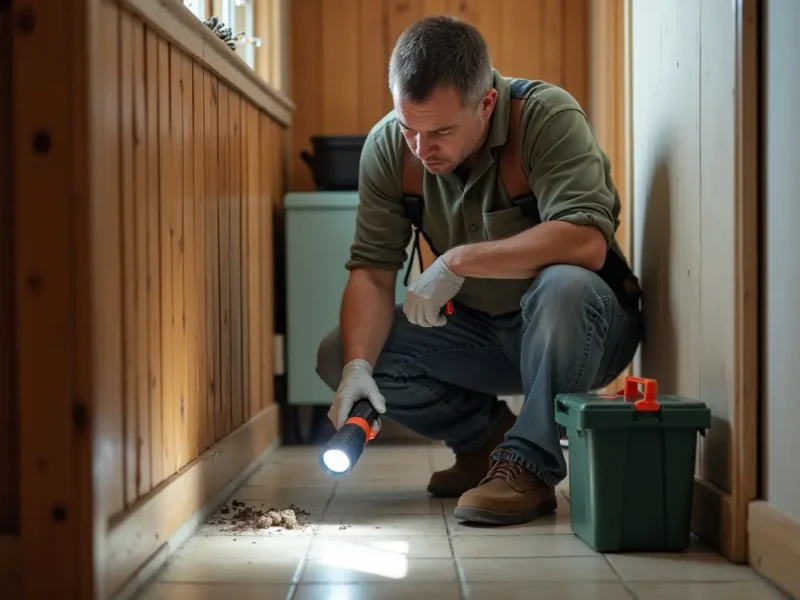
Many useful inspections can be completed while standing safely on the ground. Use binoculars if needed, and avoid roof access during wet, icy, windy, or stormy conditions. If visible damage is difficult to interpret, a professional roofing contractor can assess areas that cannot be safely viewed from below.
- Look for missing, curled, cracked, or lifted shingles.
- Watch for sagging roof sections, dark patches, exposed areas, or obvious holes.
- Check metal flashing around chimneys, vents, skylights, and roof edges for separation or movement.
- Notice whether shingle granules are collecting near downspouts or on paved areas.
- Look for gutters that appear bent, loose, sagging, or detached from the roofline.
- Identify limbs that touch the roof or hang over it closely enough to scrape during wind.
Inspect Gutters and Downspouts Before Heavy Rain
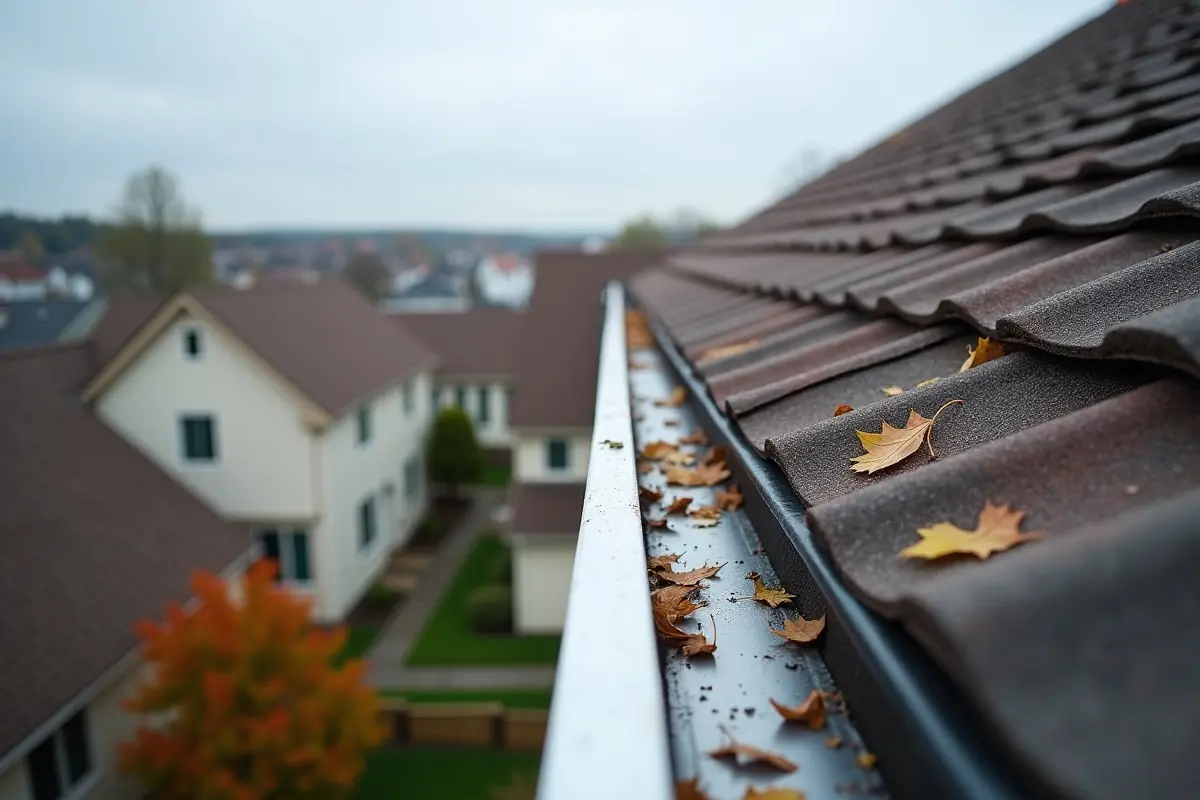
Leaves, twigs, roof granules, and ice can slow or block drainage. Before periods of heavy rain, remove accessible debris and check that each downspout outlet is open. Downspout extensions should direct water away from the foundation where site conditions allow.
Check for open seams, rust, loose fasteners, and sections that slope incorrectly or pull away from the fascia. The National Weather Service advises homeowners to secure loose gutters before high winds, along with trimming branches and putting away items that could become windborne.
Prepare for Wind, Hail, and Thunderstorms
Thunderstorms can bring heavy rain, lightning, hail, and damaging winds. The National Weather Service classifies a thunderstorm as severe when it is capable of producing hail at least one inch in diameter or wind gusts of at least 58 miles per hour. Planning ahead can reduce preventable exterior hazards.
- Trim dead or damaged limbs that could strike the roof, while keeping clear of power lines.
- Secure patio furniture, decorations, grills, bins, and other loose outdoor items.
- Check visible roof edges, vents, flashing, and gutters for loose components.
- Move vehicles away from large or visibly compromised trees when practical.
- Keep phones charged and have flashlights, batteries, water, and basic emergency supplies ready.
Reduce the Risk of Winter Roof Damage
In winter, melting snow can refreeze near colder roof edges and create ice dams. Water held behind the ice can work beneath roofing materials and eventually appear in the attic, ceilings, or walls. Clean gutters, open downspouts, balanced attic insulation, and adequate ventilation can all support better roof drainage and temperature control.
A roof rake may help remove snow from the ground when conditions are safe, but sharp tools should not be used to chop ice from shingles or flashing. The National Weather Service explains that melting and refreezing snow can contribute to ice dams and recommends keeping gutters and downspouts clear during winter.
Know When a Repair Cannot Wait
Routine maintenance can be scheduled, but some warning signs call for prompt attention. These include active drips indoors, water stains that expand after rain, a sagging roof area, large patches of missing shingles, exposed underlayment or decking, loose flashing, gutters pulling away from the house, and visible damage after hail or falling branches.
Do not enter an attic with standing water near electrical equipment, and do not climb onto a roof to investigate active leaks during a storm. Place containers below drips if it is safe, move valuables out of the affected area, and limit access to wet rooms until the problem is assessed.
What to Do After a Storm
- Wait until the storm has passed and conditions are safe before inspecting the property.
- Stay clear of downed power lines, damaged trees, hanging branches, and unstable structures.
- Photograph visible damage from the ground, including roof edges, gutters, siding, and interior water stains.
- Write down the storm date, the time damage was noticed, and any changes after additional rain.
- Use temporary protection only when it can be completed without creating a fall or electrical hazard.
- Review the insurance policy and contact the insurer when storm damage may be covered.
- Keep receipts for emergency materials and temporary repairs.
Simple Seasonal Roof and Gutter Checklist
Spring
- Look for winter-related shingle, flashing, and gutter damage.
- Clear debris from gutters and test downspout flow.
- Check ceilings and attic areas for moisture or staining.
Summer
- Trim branches that contact or threaten the roof.
- Inspect visible roof edges before thunderstorm season.
- Secure outdoor items when severe weather is forecast.
Fall and Winter
- Remove fallen leaves and verify downspouts are open before freezing weather.
- Watch for icicles, ice buildup, heavy snow, and interior leaks.
- Avoid climbing onto icy roofs or using sharp tools against roofing materials.
Common Questions Homeowners Ask
How often should gutters be checked?
Checking gutters at least twice yearly, as well as after major storms, is a practical baseline. Homes near mature trees may need more frequent cleaning.
Can a homeowner inspect the roof?
A ground-level inspection is usually the safer choice. Steep slopes, wet shingles, ice, wind, and storm debris create serious fall hazards.
Are ice dams caused only by snow?
No. Ice dams commonly involve snow, melting, and refreezing cycles, uneven roof temperatures, and drainage that cannot move freely away from the roof edge.
Conclusion
A roof does not need to look severely damaged to have a developing problem. Seasonal checks of shingles, flashing, gutters, downspouts, nearby trees, and attic conditions can reveal issues before difficult weather arrives. When a concern exceeds what can be safely seen or handled from the ground, prompt professional evaluation is the safer next step.