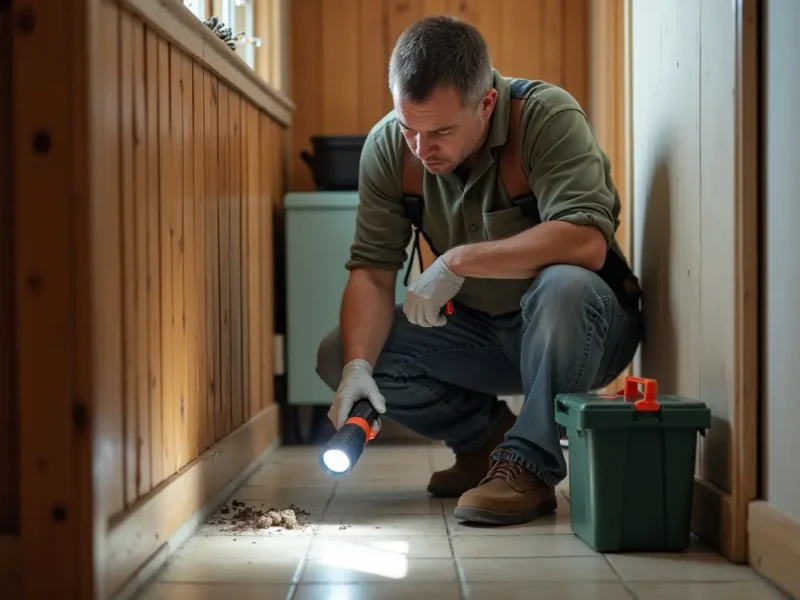
Heavy rain can expose weak points in a septic system that may not be noticeable during dry weather. When the soil surrounding a drain field becomes saturated, wastewater has less room to filter through the ground. Homeowners who notice recurring storm-related issues may need to consider whether septic services are appropriate for evaluating the system’s condition.
A septic system depends on more than the tank itself. The pipes, soil, drain field, groundwater level, landscaping, and household water use all affect how well it works. Rain does not always create a new problem, but it can make an existing blockage, an overloaded tank, a damaged pipe, or a poorly drained area much easier to notice.
Why Heavy Rain Can Stress a Septic System
Wastewater flows from household drains into the septic tank, where heavier solids settle, and lighter materials float. Liquid wastewater then moves toward the drain field, where soil helps filter and treat it. This process depends on soil with enough pore space to retain water. After prolonged or intense rainfall, saturated soil may no longer absorb treated wastewater at its normal rate.
Common Warning Signs After a Storm
Pay attention to changes both inside and outside the home. A single slow fixture might be a local plumbing issue, but several slow drains at once can indicate a septic-related issue. Gurgling sounds, toilets that flush poorly, sewage odors, water pooling near the tank or drain field, and unusually soft or bright green grass can all be warning signs. Wastewater backing into a tub, shower, or floor drain requires immediate attention.
Water-management equipment can also affect the area around a septic system. For example, homes with basement drainage should ensure that sump pump services direct discharge away from the tank and drain field to prevent large volumes of water from collecting there.
What to Do During Wet Weather
- Use less water indoors. Postpone extra laundry loads, take shorter showers, and run the dishwasher only when necessary. Spacing out water use gives the system more time to process wastewater.
- Stop preventable water waste. Repair running toilets and dripping faucets promptly. Even a small leak can send a surprising amount of unnecessary water into the system.
- Protect wet septic areas. Keep vehicles, heavy equipment, children, and pets away from soggy ground near the tank and drain field.
- Observe conditions safely. Look for ponding water, erosion, damaged covers, strong odors, or alarm activity, but do not open a tank or enter any septic component.
- Keep notes. Record when symptoms begin, how much rain fell, and whether the issue improves after the ground dries. These details can help identify patterns.
How to Manage Water Around the Property
Runoff management is one of the most practical ways to reduce rain-related stress. Check gutters and downspouts before major storms, then make sure roof water flows away from the drain field and septic tank area. Surface grading should also direct water away from those components, not toward them.
Do not send water from footing drains, sump pumps, outdoor drains, or air-conditioning condensate lines into the septic system or directly onto the drain field. Excess water can slow treatment and wastewater absorption. Patios, sheds, driveways, and other heavy features should not be installed over septic components because they can compact soil, limit oxygen exchange, or damage buried pipes.
When a Septic Tank May Need Pumping
Heavy rain does not automatically mean the tank needs to be pumped. Pumping removes accumulated solids from the tank, but it does not dry saturated soil or repair a damaged drain field. The right schedule depends on tank size, household size, water use, the amount of solids entering the system, and the system’s maintenance history.
The recommended septic maintenance practices from the U.S. Environmental Protection Agency note that many household systems should be inspected about every three years, while pumping frequency commonly falls within a three-to-five-year range. Check service records before scheduling routine pumping, especially if the system was recently serviced.
Why Pumping May Not Fix Every Rain-Related Problem
A full tank is only one possible reason for a backup. Rain-related problems may also involve groundwater entering through a damaged lid or seal, a clogged outlet filter, crushed or blocked piping, poor drainage around the property, or a drain field that has lost some of its ability to absorb wastewater. If symptoms return after nearly every storm, the problem warrants a full evaluation rather than repeated emergency pumping alone.
Safety Concerns With Sewage Backups
Standing wastewater and indoor sewage backups can contain harmful bacteria and other contaminants. Keep children and pets away from affected areas, avoid using sinks, toilets, showers, and washing machines until the cause is addressed, and limit direct contact with contaminated water. Cleanup inside the home may require gloves, protective footwear, careful disinfection, and removal of materials that cannot be safely cleaned.
How to Prepare Before the Next Storm
- Locate the septic tank, access lids, drain field, inspection ports, and any electrical controls.
- Store pumping, inspection, and repair records in an accessible place.
- Inspect downspouts and drainage paths for water that flows toward septic areas.
- Spread laundry throughout the week instead of washing many loads in one day.
- Maintain grass cover over the drain field and avoid deep-rooted trees or shrubs nearby.
- Know where the system alarm is located and what actions to take if it activates.
Questions Homeowners Often Ask
Can Heavy Rain Fill a Septic Tank?
Rain should not enter a properly sealed septic tank. However, cracked lids, damaged risers, failed seals, or groundwater infiltration may allow extra water into the system and contribute to trouble.
Is It Normal for Drains to Slow Down After Rain?
A brief slowdown during exceptionally wet conditions can happen, but repeated, worsening, or whole-house drainage problems should not be ignored.
Can a Drain Field Recover After Soil Dries?
Temporary saturation may improve as the soil dries. Recurring symptoms may indicate overuse, drainage problems, compacted soil, or reduced drain field capacity.
When Is Immediate Help Needed?
- Sewage backs up inside the home.
- Wastewater pools in the yard.
- A septic alarm continues sounding.
- Strong sewage odors persist after the rain stops.
- Multiple drains are slow or unusable simultaneously.
Conclusion
Heavy rain acts as a stress test for a septic system. Limiting water use, controlling runoff, protecting the drain field, and tracking warning signs can reduce unnecessary strain during wet weather. When the same symptoms return after storms, identifying the underlying cause early can help prevent a more serious backup or repair later.