A seasonal prevention plan helps homeowners focus on the conditions that invite pests before an infestation becomes difficult to manage. For property-specific guidance, termite and pest control information from Pointe Pest Control can be a useful regional reference. Pointe Pest Control provides residential and commercial services for issues including termites, rodents, ants, spiders, wasps, bed bugs, and cockroaches across Washington, Oregon, Idaho, and Montana, with an inspection-first approach that reflects the different pest pressures homeowners may face throughout the Pacific Northwest.
The goal is not to spray every insect that appears. Effective prevention starts by finding the cause, then reducing access to food, water, shelter, and entry points. A few consistent maintenance habits can make a meaningful difference over the course of a year.
Why Seasonal Prevention Matters
Temperature, rain, humidity, and changing food sources all affect where pests travel and shelter. Warm weather can increase activity around yards, patios, and kitchens, while cooler weather can send rodents and other pests toward protected indoor spaces. The integrated pest management principles outlined by the U.S. Environmental Protection Agency emphasize monitoring, prevention, accurate identification, and targeted control rather than relying on routine broad spraying.
Many indoor pest problems begin outside. A leaking gutter may keep soil damp near the foundation, vegetation touching siding may create a route upward, or an opening around a utility line may provide direct access to a wall void. Seasonal checks help uncover those conditions while they are still manageable.
Spring Pest Prevention Checklist
Spring is an ideal time to inspect the home after winter weather and prepare for increased insect activity.
- Walk the exterior and inspect the foundation, siding, roofline, windows, and doors for fresh cracks or gaps.
- Repair torn window screens and replace worn door sweeps.
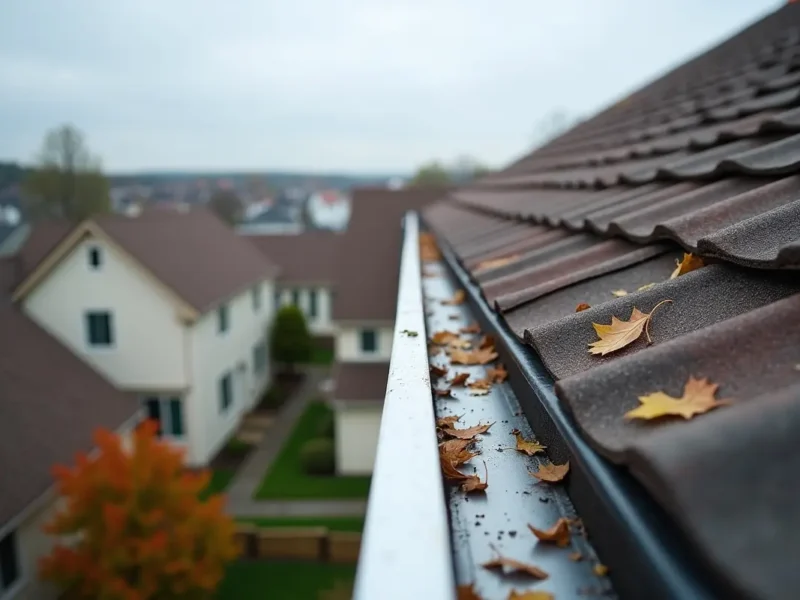
- Clear gutters and remove standing water from planters, toys, tarps, and other containers.
- Watch for ant trails near kitchens, bathrooms, patios, and foundation walls.
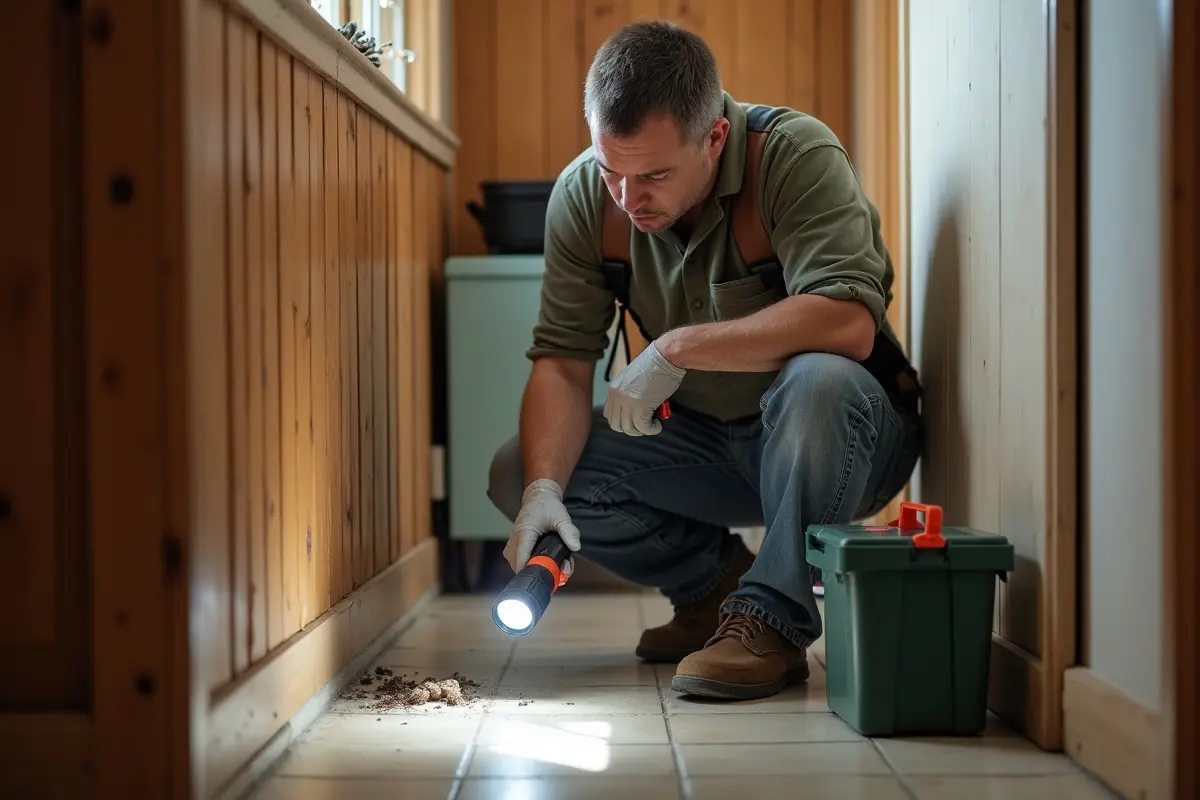
- Check for termite warning signs, including swarmers, discarded wings, mud tubes, or damaged-looking wood.
- Trim shrubs, vines, and tree branches so they do not rest against the home.
Summer Pest Prevention Checklist
Summer prevention is largely about limiting easy access to food, water, and outdoor hiding places.
- Store pantry goods in sealed containers and clean spills promptly.
- Empty indoor trash frequently, especially when it contains food scraps.
- Rinse food residue from recyclable containers before placing them in bins.
- Clean pet food and water bowls regularly, and avoid leaving food out overnight.
- Reduce clutter around decks, sheds, garages, and crawl-space entrances.
- Inspect eaves, sheds, trees, and play areas for wasp or hornet nest activity.
- Keep the grass cut and remove accumulated branches, leaves, and debris.
Fall Pest Prevention Checklist
As outdoor temperatures decline, homes can become especially appealing to pests seeking warmth and shelter.
- Seal cracks around pipes, utility lines, vents, windows, and doors.
- Move firewood, lumber, and stored materials away from exterior walls.
- Clean gutters and make sure downspouts direct water away from the foundation.
- Inspect attics, garages, basements, and crawl spaces for droppings or nesting material.
- Store seasonal decorations in sealed plastic bins rather than loose cardboard where practical.
- Check for gaps beneath garage doors and replace damaged weather stripping.
Winter Pest Prevention Checklist
Cold weather does not end pest concerns. Heated indoor spaces, stored food, and plumbing moisture can support activity throughout winter.
- Fix leaks beneath sinks, near appliances, and around water heaters.
- Use appropriate ventilation or a dehumidifier in persistently damp areas.
- Keep pantry shelves clean and store dry goods in tightly closed containers.
- Inspect stored boxes, firewood, and seldom-used rooms periodically.
- Listen for scratching sounds in ceilings, walls, or attics.
- Look for droppings, gnaw marks, grease marks, or nesting material.
Common Pest Entry Points To Inspect
Use a Room-by-Room Approach
- Kitchen: Inspect plumbing openings, cabinet gaps, vents, and food-storage areas.
- Bathroom: Check pipe penetrations, exhaust fans, drains, and damp wall areas.
- Garage: Examine the door seal, foundation joints, stored boxes, and cluttered corners.
- Attic: Look around vents, roof intersections, insulation, and electrical openings.
- Basement And Crawl Space: Check for moisture, cracks, damaged vents, and rodent evidence.
- Exterior: Inspect siding, window frames, utility lines, roof edges, and foundation walls.
Remove Food, Water, And Shelter
Most prevention tasks fit into three simple categories:
- Food: Seal dry goods, wipe counters, manage pet food, and secure trash lids.
- Water: Repair leaks, improve drainage, clear gutters, and remove standing water.
- Shelter: Reduce clutter, trim vegetation, move woodpiles, and keep outdoor storage closed.
These habits work best together. A clean kitchen helps, but it will not solve a rodent issue if a large gap remains beside the garage or behind an appliance.
When To Call A Pest Control Professional
Home maintenance has limits. Arrange a professional inspection when pests appear in multiple rooms, return after cleaning and repairs, or are active in wall voids, ceilings, attics, or crawl spaces. Prompt help is also sensible when you see possible termite damage, find an established wasp or yellow jacket nest near a doorway or play area, or suspect bed bugs, cockroaches, or a persistent rodent problem.
A Simple Year-Round Maintenance Plan
- Each Week: Clean food spills, check trash areas, and note new pest activity.
- Each Month: Inspect sinks, drains, storage areas, windows, doors, and visible foundation sections.
- Each Season: Complete the matching checklist for weather changes and yard conditions.
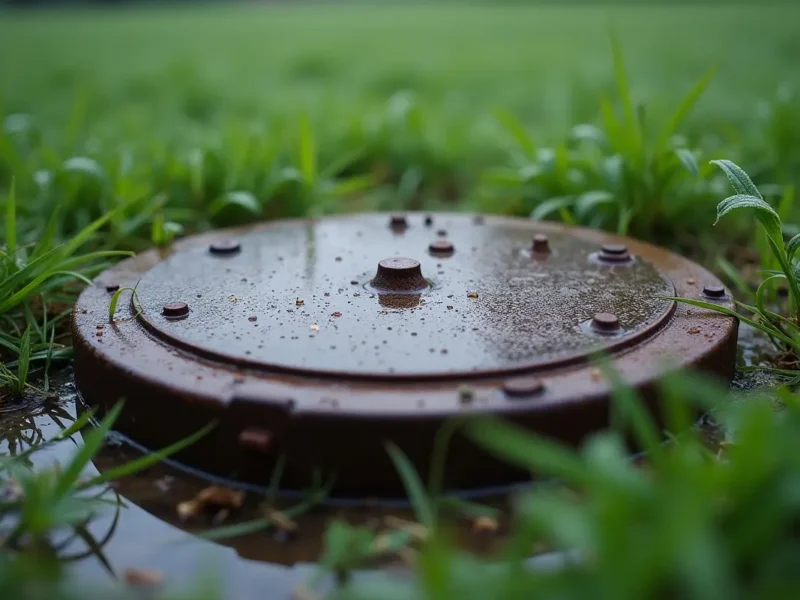
- After Heavy Rain: Check drainage, standing water, crawl spaces, and soil near the foundation.
- Before Winter: Seal openings, clean gutters, move firewood, and inspect warm hiding places.
Conclusion
A seasonal pest calendar turns prevention into a practical routine instead of a last-minute reaction. By maintaining the exterior, reducing moisture, protecting food, and checking likely entry points throughout the year, homeowners can make their property less inviting to unwanted pests.