Water entering below ground can travel farther than the visible stain suggests. A proper repair begins by finding how moisture reaches the basement, then correcting the source instead of covering the evidence. Professional service may involve drainage, crack sealing, pump installation, exterior work, and moisture control based on the building’s condition.
Finding the Actual Entry Point
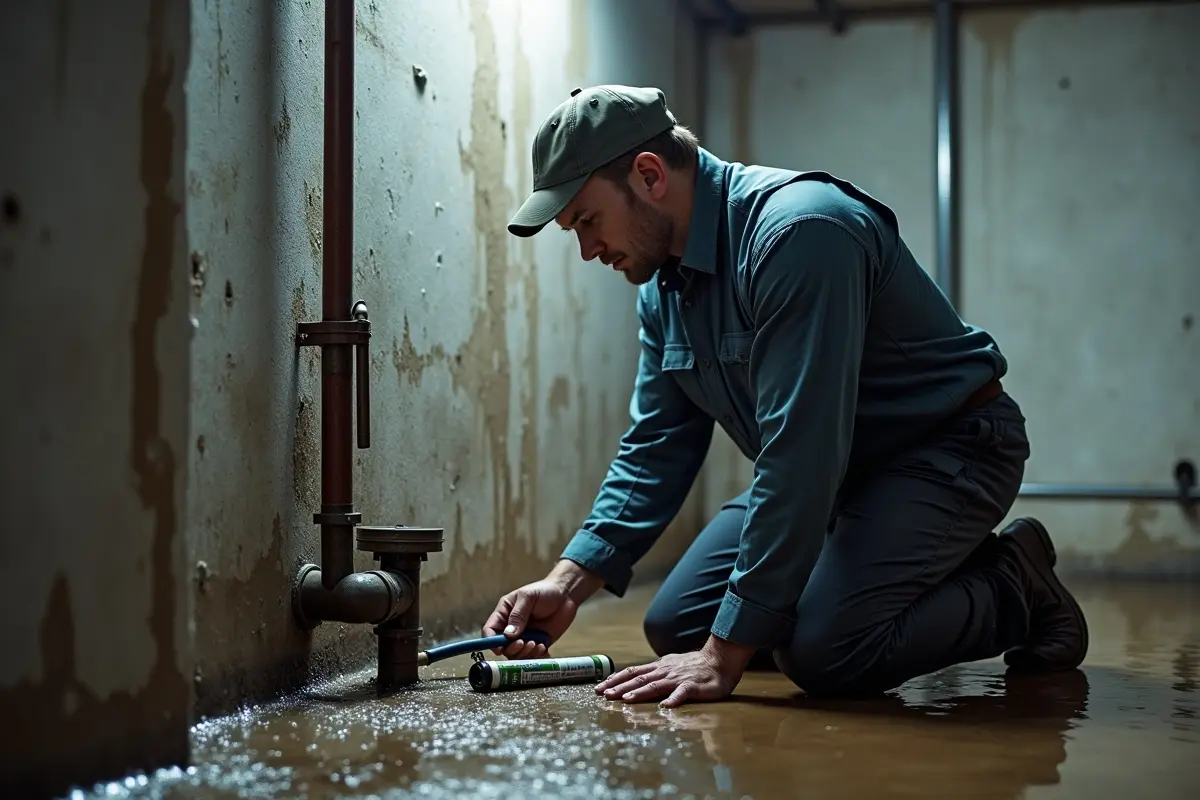
Accurate diagnosis separates a lasting repair from a temporary patch. Technicians examine wall joints, floor cracks, plumbing penetrations, window wells, foundation openings, and the seam where the wall meets the slab.
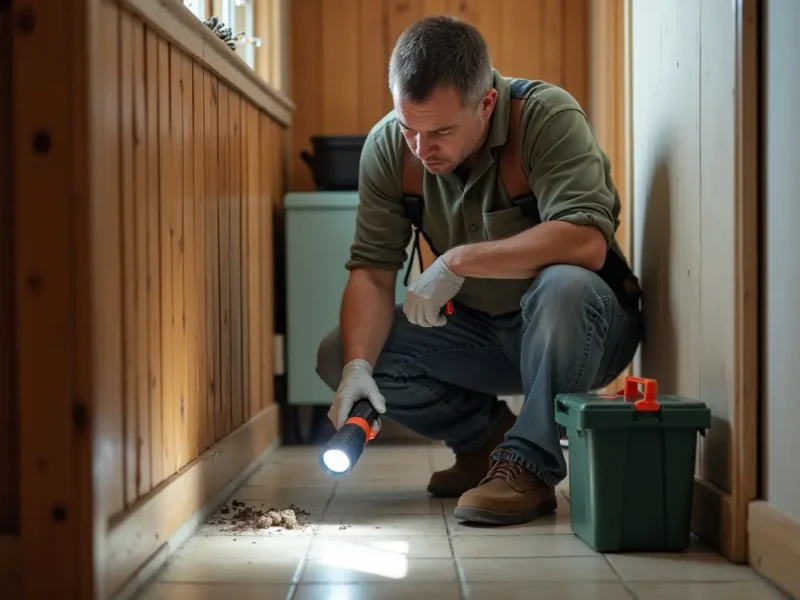
Moisture patterns help reveal whether the basement leak comes from groundwater, surface runoff, condensation, or a damaged pipe. Inspectors may also use moisture meters and rainfall history to connect wet areas with specific weather conditions. Homeowners searching for basement leak repair near me should expect more than a quick look at the obvious puddle.
Checking Exterior Drainage Around the Foundation
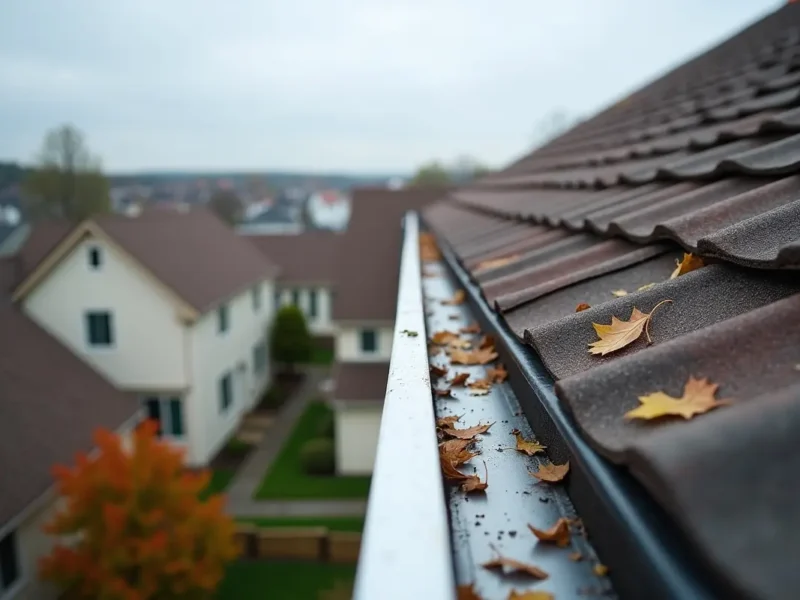
Rainwater often reaches a basement because the property directs it toward the house. Poor grading, clogged gutters, short downspouts, sunken landscaping, and overflowing window wells can saturate soil along the foundation. Correcting these conditions may involve extending downspouts, reshaping soil slopes, clearing drainage paths, or adding exterior collection systems. Surface improvements reduce the amount of water pressing against below-grade walls, which can lower the demand placed on interior waterproofing components.
Sealing Foundation Wall and Floor Cracks
Concrete cracks can provide direct routes for water under pressure. Depending on the opening and wall type, crews may use polyurethane injection, structural epoxy, hydraulic cement, or flexible sealants designed for below-grade conditions. Polyurethane works well where movement or active seepage is present because it expands inside the crack and forms a flexible barrier. Epoxy offers greater structural bonding but may not suit every wet opening. Effective basement leak repair accounts for crack width, depth, movement, and water pressure before selecting a material.
Installing an Interior Perimeter Drain
Interior drainage systems collect water at the foundation edge before it spreads across the floor. Workers usually remove a narrow section of concrete, install perforated pipe beside the footing, surround it with clean stone, and restore the slab surface.
Collected water flows toward a sump basin instead of remaining trapped against the wall-floor joint. Wall panels or drainage membranes may also direct seepage downward into the channel. This approach manages recurring groundwater without requiring excavation around the full exterior.
Adding or Replacing a Sump Pump
Sump pumps remove water gathered by perimeter drains, floor drains, or foundation collection systems. Proper sizing depends on expected water volume, discharge height, pipe length, and the rate at which groundwater enters the basin.
Backup protection deserves attention because storms that cause seepage may also interrupt electrical service. Battery systems, secondary pumps, alarms, sealed lids, and check valves can improve reliability. Discharge piping should carry water far enough away that it does not return to the foundation.
Repairing Leaking Window Wells
Below-grade windows can collect water quickly when wells lack covers, drains, or enough height above surrounding soil. Leaves and debris may clog the bottom drain, while poor grading can send runoff over the rim.
Repair work may include replacing the well, sealing the window frame, adding a clear cover, connecting drainage, or raising the edge. Contractors also check whether the window opening itself has separated from the foundation. Ignoring this area can leave an otherwise dry basement vulnerable during heavy rain.
Applying Exterior Waterproofing Protection
Exterior waterproofing reaches the outside surface where water first contacts the foundation. Crews excavate beside the wall, clean the masonry, repair defects, apply a waterproof membrane, and install drainage protection before replacing the soil.
Excavation also provides access to damaged footing drains and failed coatings. Although this method can require more labor than interior drainage, it may be appropriate where wall deterioration or exterior pressure must be addressed directly. Access limitations, utilities, decks, and landscaping can affect feasibility.
Managing Humidity After Water Intrusion
Damp basements may remain humid even after standing water disappears. Porous concrete, wet framing, stored materials, and exposed soil can continue releasing moisture into the air.
Dehumidifiers help maintain a safer indoor moisture level, but equipment alone cannot stop active leakage. Removal of damaged insulation, drywall, flooring, or wood may also be necessary when materials cannot dry properly. Mold treatment should follow moisture correction so growth does not return.
Inspecting Structural Damage Linked to Water
Long-term seepage can affect more than finishes. Saturated soil may increase pressure against foundation walls, while repeated wetting can rust metal, weaken mortar, and damage wooden supports.
Horizontal cracks, bowing walls, settled slabs, and rotting framing require a structural evaluation alongside waterproofing work. Treating the water stain without correcting these conditions can leave the building unstable. A complete plan connects moisture control with any needed wall, floor, beam, or support repair.
Confirming the Repair With Final Testing
Quality control continues after installation. Crews should verify pump operation, drainage flow, sealant placement, discharge routing, and the condition of restored surfaces.
Written documentation helps property owners understand what was repaired and how the system should be maintained. Kennedy and Sons looks beyond the obvious signs of water damage by checking foundation cracks, drainage problems, sump pump performance, and any structural issues tied to the leak.
From there, the team creates a basement leak repair plan designed to stop current moisture and correct the conditions that allowed it inside.