A musty smell from the vents can make homeowners wonder what may be growing inside the HVAC system. Moisture, dust, and organic debris can create conditions that support mold on certain components or duct materials. Professional HVAC cleaning in Brentwood TN may remove accessible contamination, but the moisture source and affected material must also be addressed.
Mold Concerns Begin With Moisture, Not Dust Alone
Mold needs moisture to grow, so technicians first look for condensation, clogged drain lines, leaking equipment, damp insulation, or poorly sealed ducts. Dust can provide material for growth, but cleaning it away will not solve an active water problem.
Persistent dampness may come from an oversized cooling system, high indoor humidity, or air leaks around unconditioned spaces. Correcting that cause helps prevent cleaned surfaces from becoming contaminated again after the service.
Can a Musty Odor Confirm Mold Inside the System?
Odor alone cannot prove that mold is present because wet insulation, drain-pan residue, pest debris, or stagnant water can smell similar. A visual inspection helps locate staining, damp material, or suspicious growth around accessible HVAC components.
Testing may be appropriate when the source remains unclear or the affected area appears extensive. Homeowners searching for HVAC cleaning near me should be cautious of contractors who identify mold from smell alone without examining the system.
Different HVAC Materials Require Different Responses
Bare sheet metal can often be cleaned more effectively than porous duct liner or fiberglass insulation. Smooth surfaces allow technicians to remove accessible deposits without leaving material trapped deep within the structure.
Porous components may need replacement if contamination has spread through them. Aggressive brushing can damage insulation, release fibers, and make the condition worse rather than restoring the affected section.
Source Removal Comes Before Any Chemical Treatment
Physical removal targets the dust, residue, and visible material attached to accessible surfaces. Negative-air equipment helps capture loosened particles while brushes or air-powered tools separate buildup from suitable ductwork.
Chemical sprays should never replace proper cleaning or moisture correction. Any sanitizer or treatment requires a clear purpose, approved use, and explanation of where it will be applied and what it can realistically accomplish.
How Do Technicians Keep Contamination From Spreading?
Containment matters whenever crews disturb questionable material inside an HVAC system. Sealed registers, controlled negative pressure, HEPA-filtered vacuums, and protective coverings help keep released particles away from occupied rooms.
Careful work practices also protect technicians and household surfaces. Gloves, respirators, disposable coverings, and planned equipment placement may be needed depending on the condition and extent of the affected area.
Cleaning Cannot Fix Leaks or Damaged Ductwork
Disconnected joints can pull humid air from crawl spaces, attics, garages, or wall cavities into the return system. Leaks may also introduce dust and organic debris that support recurring buildup around damp surfaces.
Repairs often need to happen before or alongside HVAC cleaning. Sealing gaps, replacing wet insulation, clearing drains, or correcting condensation gives the cleaning process a better chance of producing lasting results.
When Does the Problem Need a Mold Specialist?
Large affected areas, recurring growth, hidden water damage, or contaminated porous materials may fall outside routine HVAC service. A qualified mold or moisture professional can assess the extent of the problem and recommend appropriate containment or removal.
Health concerns also deserve separate medical guidance rather than promises from a cleaning company. Reputable contractors explain the limits of their work and avoid claiming that duct cleaning can diagnose symptoms or cure respiratory conditions.
Inspection Helps Define What the Service Can Include
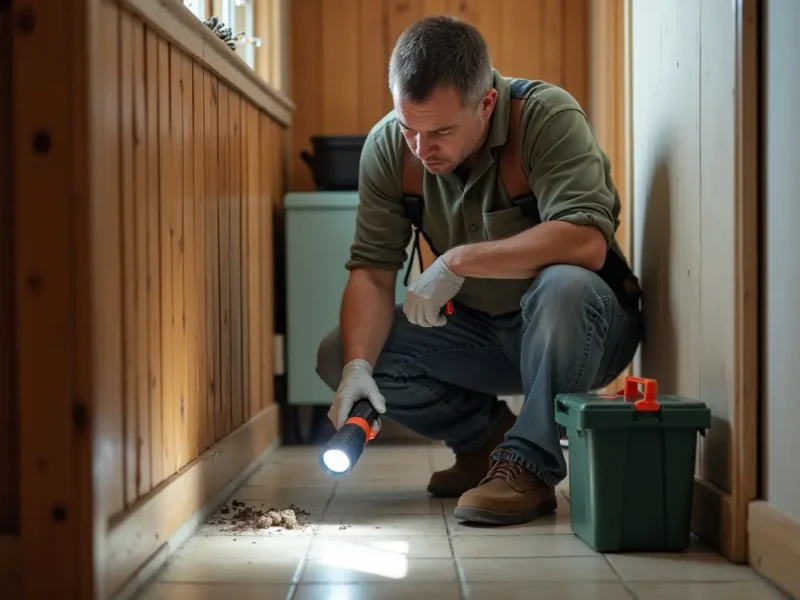
Camera equipment and direct visual checks allow technicians to examine supply ducts, return pathways, plenums, blower areas, and accessible coil housings. Findings show whether the issue involves ordinary dust, moisture damage, suspected growth, or another source of odor.
Written estimates should identify the sections included in HVAC cleaning and any areas that cannot be reached safely. Clear limits prevent confusion when concealed cavities or damaged materials require a different contractor.
Drain Pans and Cooling Components Deserve Attention
Cooling coils remove moisture from indoor air, which then drains into a pan and line. Blockages, dirt, or poor drainage can leave water standing near the air handler and create an ongoing damp environment.
Routine equipment maintenance supports cleaner ductwork by keeping condensate moving correctly. HVAC technicians may need to service coils, pans, pumps, or drains before duct-cleaning crews address nearby residue.
Return-Air Cavities Can Hide Moisture Problems
Framed wall bays and floor spaces sometimes serve as return-air pathways instead of sealed metal ducts. These cavities may contain drywall, wood, insulation, and gaps that react differently to moisture.
Hidden staining or dampness may point to plumbing leaks, exterior water entry, or humid air infiltration. Cleaning loose debris will not restore damaged building materials, so inspection should guide the next step.
Results Depend on Removing the Cause
Successful service reduces accessible contamination while moisture control limits the chance of regrowth. Filter replacement, humidity management, duct repair, and HVAC maintenance may all support the cleaning work.
Realistic expectations matter because no contractor can guarantee that mold will never return. Conditions inside the home must remain dry enough to discourage new growth after affected areas receive attention.
Homeowners Should Ask Direct Questions Before Scheduling
Useful questions cover inspection methods, containment, equipment, chemical use, and the handling of porous materials. Contractors should also explain what happens if technicians find water damage or an area beyond routine cleaning.
Brentwood Air Duct Cleaning can inspect accessible HVAC pathways in Brentwood homes and explain whether standard cleaning fits the conditions found. Their team can identify visible moisture concerns, outline the source-removal process, and recommend when repairs or specialist evaluation should come before HVAC cleaning.