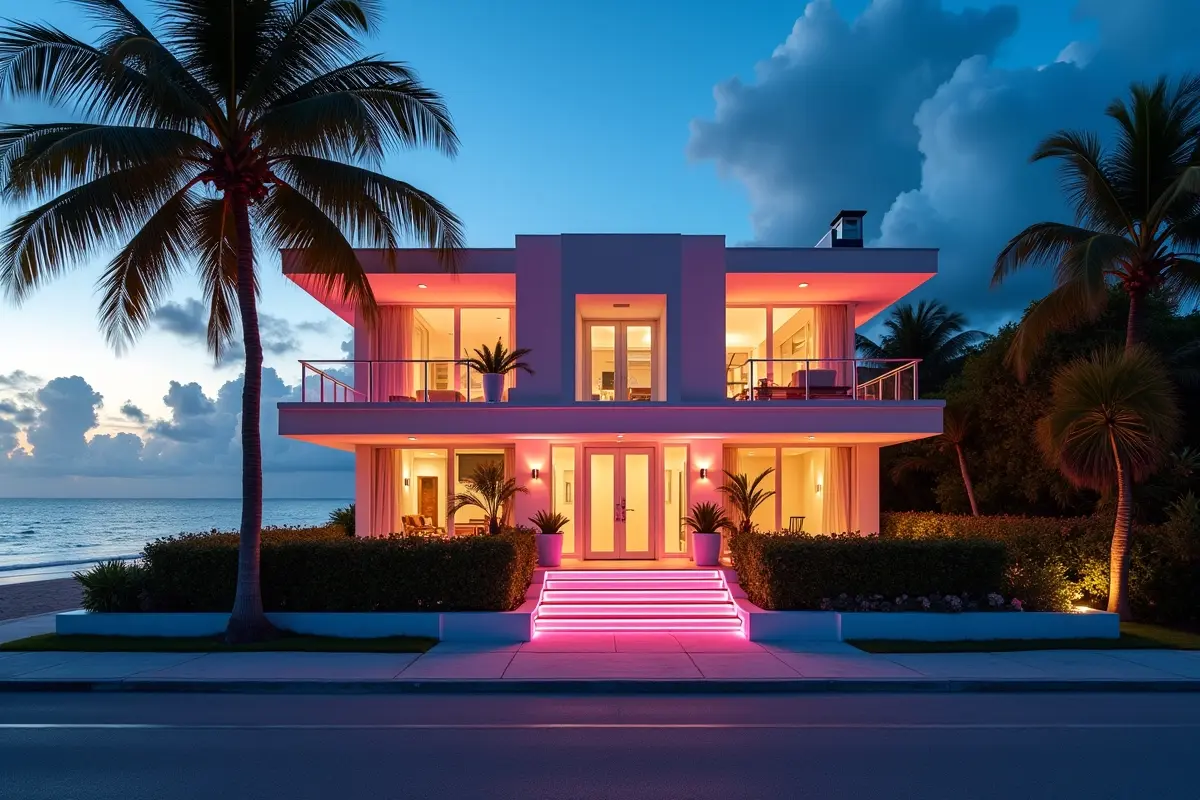
Buying in Miami Beach is not simply a choice between an ocean view and a bay view. It is a decision about how you want to move through the week, from morning walks and school runs to dining plans, beach time, parking, and trips to mainland Miami. Reviewing homes for sale in Miami Beach through Carmenate / Duchon can be a useful starting point for comparing local property opportunities across South Beach, Mid-Beach, North Beach, the Venetian Islands, and nearby coastal communities. Their Miami Beach-focused listing resource helps buyers see how available homes differ by location, style, and setting.
A home that photographs beautifully may still be a poor everyday fit if the street is too active, guest parking is limited, or the commute feels burdensome. A thoughtful comparison process helps buyers focus on the combination of neighborhood and property type that supports both present needs and future plans.
Start With Your Daily Routine
Before scheduling tours, write down what a normal week requires. Consider where you work, whether you need access to schools or the airport, how often you host visitors, and whether your ideal day involves walking to coffee, using a fitness studio, taking a dog to a park, or getting onto the water.
- Preferred commute time and route to mainland Miami
- Need for walkable restaurants, markets, and services
- Preference for quieter residential streets or an active urban environment
- Need for private outdoor space, storage, and guest parking
- Interest in boating, parks, golf, broad beaches, or nightlife
Compare the Main Miami Beach Areas
No area is universally best. The right choice depends on your budget, preferred home type, and tolerance for activity.
- South Beach: Often suits buyers who prioritize walkability, restaurants, culture, nightlife, and a dense beach-city atmosphere.
- South of Fifth: Appeals to buyers seeking a more contained luxury setting near waterfront paths, parks, dining, and high-rise residences.
- Mid-Beach: Offers a mix of beachfront condominiums and resort-oriented properties for buyers who want beach access with a less concentrated pace than central South Beach.
- Sunset Harbour and the Venetian Islands: Can fit buyers drawn to bay views, dining, fitness, and a more residential island character.
- North Beach: Is worth exploring for buyers who prefer a more relaxed local feel and less concentrated tourist activity.
- Fisher Island and private enclaves: Are specialized markets where privacy, controlled access, amenities, and ownership costs may take priority over convenience.
Match the Property Type to Your Lifestyle
Property type affects far more than square footage. A condo can reduce exterior maintenance, but it also comes with association rules, shared decision-making, and monthly fees. A single-family home may provide privacy and more control over improvements, while placing roof, landscaping, systems, and insurance responsibilities directly on the owner.
- Waterfront homes: May offer boating access and open views, but salt air, seawalls, docks, drainage, and storm protection require careful review.
- Historic residences: Can offer distinctive character, though exterior changes or renovations may involve additional restrictions and approvals.
- Townhomes: Often sit between condo and detached-home ownership, combining shared elements with more private living space.
Review the Full Cost of Ownership
Do not evaluate affordability from the asking price alone. Build a monthly and annual estimate that includes mortgage costs, property taxes, homeowner’s and flood insurance, utilities, maintenance, parking, and association fees where applicable. Request the latest tax bill, an insurance estimate, association budgets, fee schedules, notices of special assessments, and any known repair or renovation estimates.
Check Flood Exposure and Storm Resilience
Miami Beach is a coastal barrier island, so flood and storm questions should be addressed before an offer is written. The City’s floodplain management information provides a practical place to begin reviewing local flood maps, elevation-related resources, and buyer-focused flood awareness material.
Ask whether the home or building has impact-rated windows or shutters, a maintained roof, elevated mechanical equipment, functional drainage features, and records of recent inspections or resilience improvements. For waterfront properties, include seawalls, docks, and signs of salt-air wear in the inspection plan.
Inspect Condo Buildings With Care
A condo purchase means evaluating both the unit and the association. Before the inspection period ends, review financial statements, board meeting minutes, reserve information, insurance declarations, engineering or structural reports when available, litigation disclosures, and rules for leasing, pets, renovations, and parking. Ask directly about pending repairs, elevator work, balcony projects, roof work, and assessments.
Build a Simple Neighborhood Scorecard
Score each finalist from one to five using the same criteria. This prevents a memorable view or staged interior from outweighing practical concerns.
- Daily lifestyle: Does the location work for your routine?
- Housing choice: Are your preferred home types realistically available?
- Total cost: Do taxes, insurance, fees, and maintenance fit comfortably?
- Resilience: Have flood, drainage, wind, and building-condition questions been answered?
- Future flexibility: Does the property suit likely resale, rental, or lifestyle changes?
Tour, Then Ask Better Questions
Visit each area in the morning, afternoon, evening, and on a weekend when possible. Check traffic patterns, noise, construction activity, beach access, street lighting, parking, and nearby businesses. Before making an offer, ask how long the property has been listed, what comparable homes have sold nearby, whether taxes or fees have changed, what insurance is available, and whether rental or occupancy restrictions apply.
Frequently Asked Questions
Which Miami Beach area is best for walkability?
South Beach and South of Fifth commonly appeal to buyers who want restaurants, parks, shops, and beach access nearby. The better fit depends on budget, preferred property type, and comfort with neighborhood activity.
Is a condo or a single-family home better?
Neither is automatically better. Condos can simplify some exterior responsibilities, while single-family homes can offer more privacy and control. Compare the real cost, maintenance demands, and rules before deciding.
How early should insurance costs be reviewed?
Review insurance before making an offer whenever possible. Coverage availability and cost can affect financing, monthly expenses, and the practicality of a specific property.
Conclusion
The strongest Miami Beach purchase decisions begin with real life, not a listing photo. Compare neighborhoods by routine, housing type, full ownership costs, building condition, and resilience. With a consistent scorecard and careful due diligence, buyers can narrow a broad Miami Beach search into a home choice that remains practical long after closing.