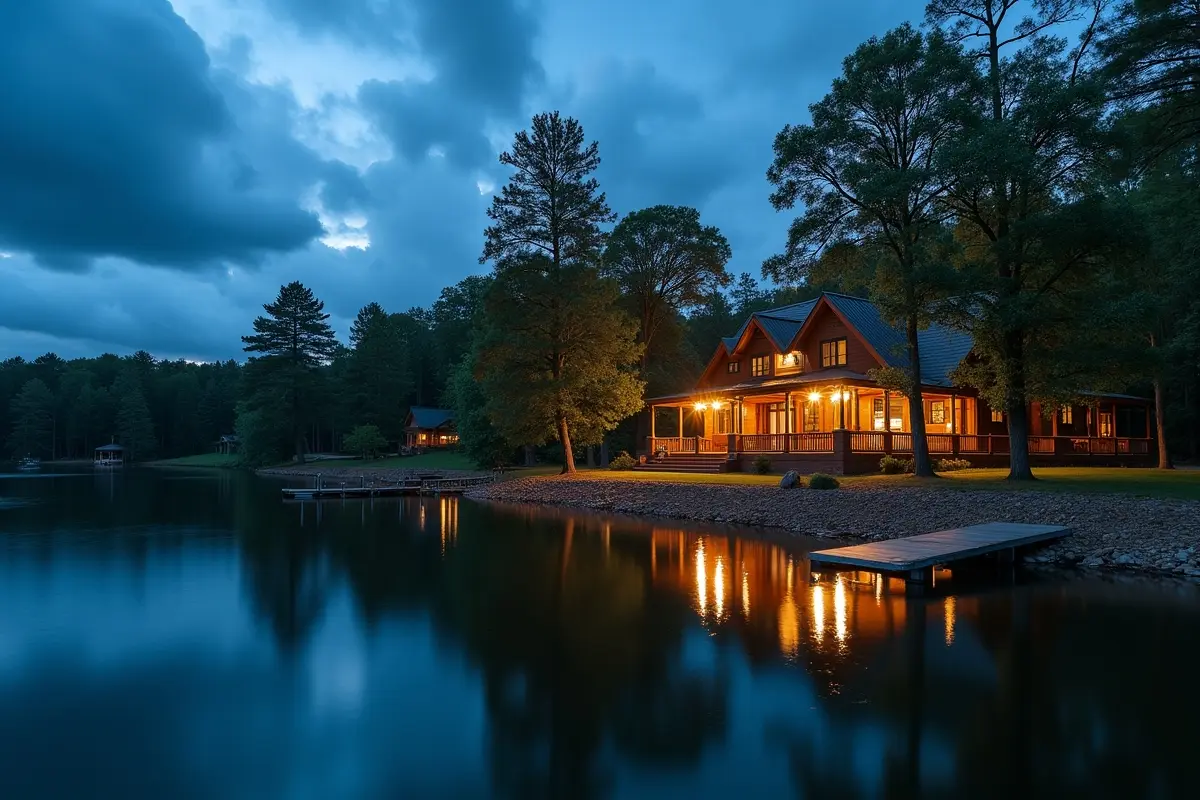
Lakefront living at Richland Chambers Lake can mean morning views, quick access to fishing and boating, and a home that feels removed from the city’s pace. But a waterfront purchase involves more than choosing the best view. Shoreline access, water conditions, property boundaries, insurance, utilities, and improvement rules can all shape whether a home works for your everyday plans.
For buyers seeking area-specific guidance, Richland Chambers Lake real estate agents The Teel Team provide property searches, buyer resources, subdivision information, and local market support for the Richland Chambers Lake area. The Teel Team focuses on lake homes, lots, acreage, and nearby communities such as Corsicana, Kerens, and Streetman, making the team a useful local resource when a listing raises questions that cannot be answered by photos alone.
Start With How You Plan to Use the Property
Before touring homes, decide what a successful lake property looks like for your household. A full-time residence may require reliable internet, practical storage, easy access to groceries, and a floor plan that works every day. A weekend retreat may place more value on low-maintenance finishes, guest space, boat storage, and a short drive to a marina or launch point.
Also consider whether the home could become a retirement residence, a family gathering place, or a permitted rental in the future. Your intended use affects the right budget, location, access requirements, and amount of ongoing maintenance you can comfortably manage.
Confirm What “Waterfront” Means for This Address
Waterfront is not a single category. One property may have direct shoreline access, while another may have a water view, a shared community area, creek frontage, or seasonal access that varies with lake levels. Open-water frontage can provide wider views and boating convenience, while a cove may offer a more protected setting.
Review the survey, recorded plat, deed restrictions, easements, and the actual shoreline before assuming the land reaches the water or supports the use you want. Visit the property in person and ask what portion of the shoreline is private, shared, controlled by an authority, or subject to access limitations.
Check Dock, Boathouse, and Shoreline Improvement Rules
A buyer may own a lake home without having unrestricted authority to build near the water. At Richland Chambers, the Tarrant Regional Water District regulates activity on the lake and land under its control, while individual subdivisions may add their own approval process. The district’s Richland Chambers Lake rules and safety information is a sensible starting point for understanding the lake authority’s role.
Before making an offer based on plans for a dock, boat lift, retaining wall, riprap, or shoreline work, request written information about existing permits and proposed improvements. Ask whether permits transfer, whether a structure has been modified, and whether homeowners association standards apply in addition to lake authority requirements.
Look Beyond Today’s Water Level
Water depth and access can differ by location, weather, season, and lake level. A shallow shoreline or narrow cove may affect boat use differently than open water does, particularly during low-water periods. Ask the seller about typical access, prior challenges reaching a dock, and the condition of the bank around the home.
The Texas Water Development Board’s Richland-Chambers reservoir information can help buyers understand the reservoir’s setting and review official background data. For the property itself, an in-person inspection and local, current information matter more than a listing photograph.
Order Inspections That Match Lake Living
A general home inspection is important, but it may not fully evaluate waterfront-specific features. Consider additional specialists when appropriate for the property, including inspections or evaluations for:
- Septic systems, wells, and water quality.
- Docks, piers, boat lifts, seawalls, and retaining walls.
- Drainage, erosion, mature trees, and slope stability.
- Moisture intrusion, wood-destroying insects, roofing, and exterior wear.
- Private roads, gates, shared driveways, or access agreements.
Water, humidity, wind, sun, and storms can be hard on exterior materials. Use qualified professionals for systems that fall outside the scope of a standard residential inspection.
Investigate Flood Risk and Insurance Early
Do not wait until late in the contract period to ask about flood risk and insurance. Review the applicable flood map, discuss lender requirements, request insurance quotes, and ask about prior flooding or water damage. Insurance coverage, deductibles, exclusions, and eligibility can vary, so verify what is covered for the residence, detached buildings, and waterfront improvements.
Flood insurance is only one part of the ownership picture. Obtain estimates for homeowners coverage, as well as wind, hail, liability, and other coverage relevant to the home and its location.
Test Daily Access, Utilities, and Convenience
Lake life often includes rural roads, private infrastructure, and longer trips for routine errands. Visit on a normal weekday, not only during a pleasant weekend showing. Check mobile service, internet options, road condition, trash collection, emergency access, and the distance to groceries, medical care, schools, fuel, and boat services.
If the property uses a well or septic system, learn its age, maintenance history, capacity, and inspection results. If access is shared or private, review who maintains the road and how costs are handled.
Budget for the Full Cost of Ownership
The mortgage payment is only one line in the lake-home budget. Build room for property taxes, association dues, insurance, dock maintenance, shoreline repairs, landscaping, tree care, boat storage, utilities, well or septic service, and storm-related repairs. A dedicated reserve fund can make unexpected repairs less disruptive.
Compare Like With Like Before Making an Offer
Compare a lakefront property with recent sales that have similar frontage, access, condition, acreage, location, and improvements. An inland home, a lake-view lot, and an open-water home with a permitted dock are not interchangeable comparisons. Look beyond asking prices and consider closed sales, time on market, condition, and the features that materially affect use.
Work With Local Knowledge, Then Verify the Details
Local insight can help buyers identify differences among coves, subdivisions, road routes, and shoreline settings. Still, every buyer should independently review surveys, restrictions, permits, insurance information, inspection reports, and contract documents. The goal is not simply to buy a home near the water. It is to buy a property whose legal access, condition, costs, and practical use fit your plans.
Common Questions About Richland Chambers Lake Homes
Is an open-water home better than a cove home?
Neither is automatically better. Open water may offer broader views and more exposure to wind, while a cove can feel more sheltered. Compare water access, privacy, depth, shoreline condition, and your preferred boating habits.
Can I add a dock after closing?
Possibly, but approval can depend on the site, lake authority rules, existing permits, subdivision restrictions, and construction plans. Confirm the process before treating a future dock as a certainty.
Are lake homes more expensive to maintain?
They can be. Waterfront features and greater exposure to the weather may add maintenance items not found on an inland property. A realistic reserve helps protect the home’s enjoyment.
Buy the Whole Property, Not Just the View
A beautiful view is a wonderful reason to explore Richland Chambers Lake, but it should not be the only reason to buy. Review access, shoreline rights, water conditions, inspections, insurance, utilities, rules, and long-term costs before committing. A careful purchase gives you a stronger chance of enjoying the lake home for years to come.