Keeping pests out of a home is usually less about one dramatic treatment and more about consistent maintenance. Food crumbs, small leaks, cluttered storage, and openings around the exterior can give insects and rodents exactly what they need to settle in. Homeowners who notice recurring activity or want help evaluating a stubborn problem can contact Pointe Pest Control for a professional inspection.
The most effective prevention plan starts before pests become visible. By reducing access to food, water, warmth, and nesting space, you can make your home far less inviting throughout every season.
Why Pests Enter Homes
Pests generally come indoors looking for four things: food, water, warmth, and shelter. Heavy rain can push insects out of saturated soil, dry weather can send them searching for moisture, and colder temperatures encourage rodents and overwintering insects to look for protected spaces.
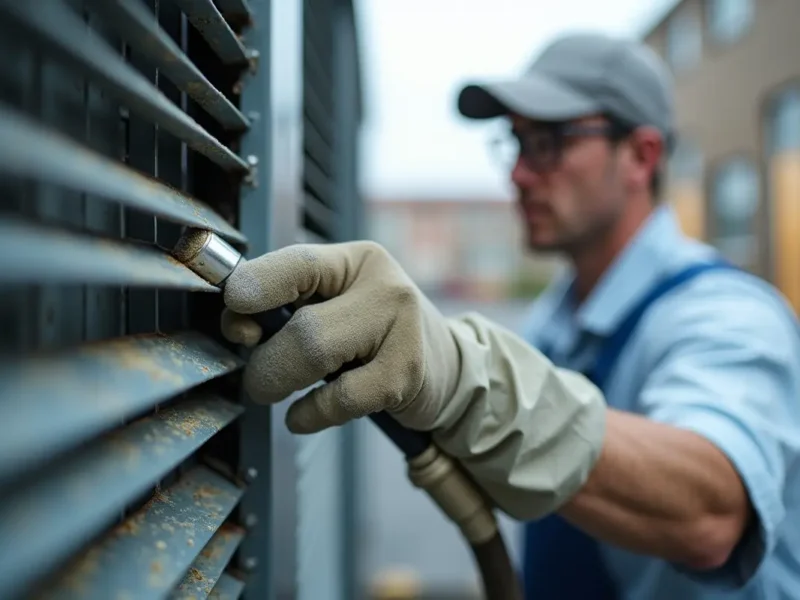
Common entry points include cracks near the foundation, worn door sweeps, torn window screens, roof vents, gaps around pipes, and openings where utility lines enter the home. Prevention should begin outside, because a clean kitchen cannot fully offset an easy path through the walls or garage.
Common Signs Of Pest Activity
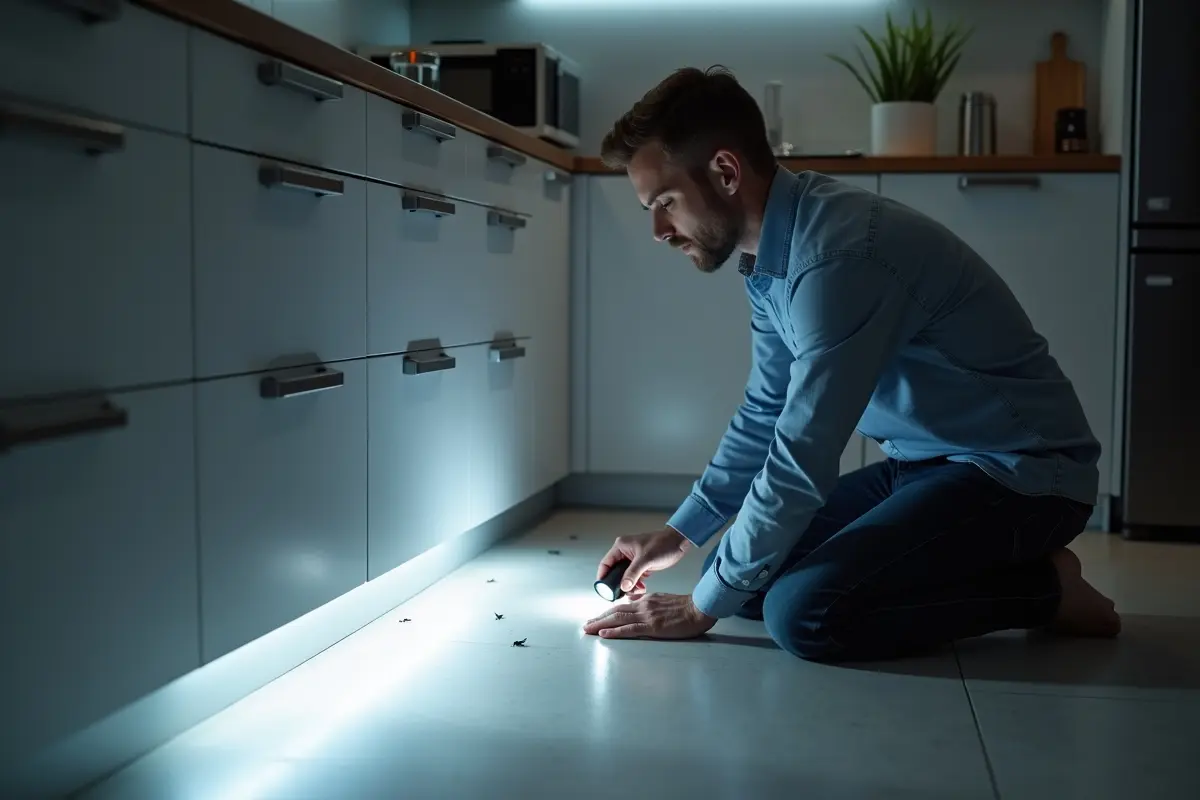
A single insect sighting may not mean there is an infestation, but repeated evidence should not be ignored. Check low-traffic spaces, cabinets, storage areas, and the edges of rooms for these warning signs:
- Droppings near stored food, walls, cabinets, or appliances
- Gnaw marks on cardboard, wood, plastic, wires, or food packages
- Grease marks along baseboards and frequently traveled rodent routes
- Discarded wings, shed skins, insect shells, or webbing
- Musty, oily, or unexplained odors from hidden spaces
- Damaged screens, fabrics, boxes, or pantry packaging
- Nesting material in attics, garages, crawl spaces, or wall voids
Seal Entry Points
Set aside 20 to 30 minutes to walk around the home and inspect likely access points. Look beneath exterior doors, around windows, behind shrubs, near vents, and where pipes, cables, or wires pass through siding.
- Replace torn window, attic, and vent screens.
- Add weatherstripping and door sweeps where light or air passes through.
- Use an appropriate exterior caulk for narrow cracks and joints.
- Cover larger holes with durable metal mesh or hardware cloth.
- Keep garage doors closed when they are not in use, and repair damaged seals.
Match the repair to the opening. Caulk can work well for a narrow crack, while a larger gap around plumbing or damaged siding may need a stronger, more permanent material.
Remove Food, Water, And Shelter
Daily habits have a major effect on pest pressure. Store dry goods in sealed containers, wipe counters and floors after meals, wash dishes promptly, and empty indoor trash regularly. Put pet food away after feeding rather than leaving bowls out overnight.
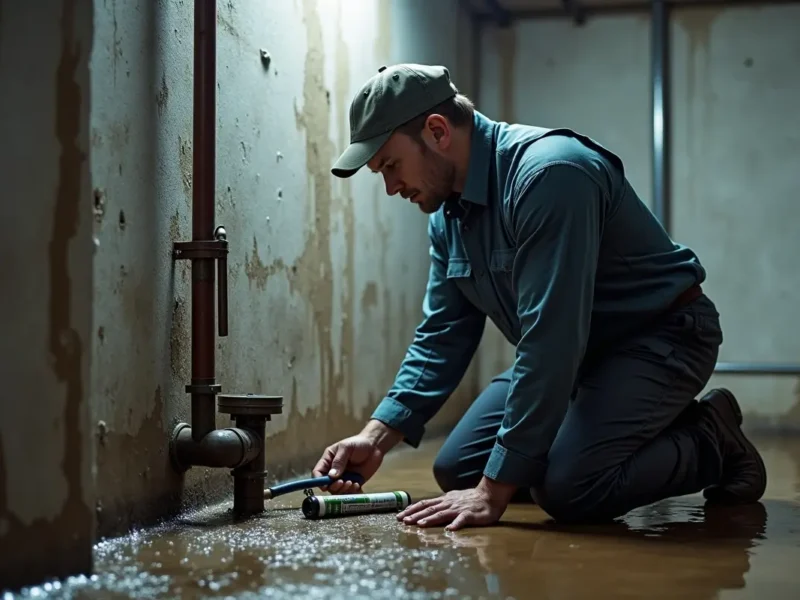
Moisture control matters just as much. Repair dripping faucets and plumbing leaks, clean gutters, improve drainage near the foundation, and ventilate humid bathrooms, basements, and laundry areas. Outdoors, keep leaf piles, cardboard, dense vegetation, and stacked firewood away from the house whenever possible.
Follow A Seasonal Inspection Checklist
Spring
- Inspect screens, door seals, gutters, and drainage areas.
- Remove standing water from planters, tarps, and outdoor containers.
- Check for foundation cracks or damaged siding after winter weather.
Summer
- Clean outdoor eating areas, grills, and garbage containers.
- Trim plants that touch siding, windows, or roofing.
- Watch for nests near porches, doors, roof edges, and sheds.
Fall And Winter
- Seal gaps before cooler weather drives pests indoors.
- Inspect attics, basements, crawl spaces, utility rooms, and stored boxes.
- Store seasonal belongings in sealed plastic bins instead of loose cardboard.
- Listen for scratching, movement, or chewing sounds inside walls.
Tips For Common Household Pests
- Ants: Clean food trails, secure sweet foods, and seal cracks near windows and doors.
- Rodents: Protect food, reduce clutter, seal openings, and investigate droppings or gnaw marks quickly.
- Cockroaches: Remove grease, repair leaks, limit cardboard storage, and keep kitchens dry overnight.
- Spiders: Repair screens, reduce outdoor clutter, and remove webs from rarely used areas.
- Wasps: Keep sweet drinks covered outdoors and avoid disturbing an active nest.
- Bed bugs: Inspect luggage, secondhand furniture, and upholstered items before bringing them inside.
Identification comes before treatment. A product or tactic that works for ants may have little effect on rodents, bed bugs, or stinging insects.
Use Pest Control Products With Care
Use pesticides only when they are needed, and follow every label direction. Never combine products, apply more than directed, or use an outdoor product inside the home. The EPA’s pesticide safety guidance for consumers supports starting with practical steps such as sanitation, exclusion, moisture control, traps, and targeted bait.
Keep all pest control products in their original containers and away from children, pets, food, and food-preparation surfaces. Make sure treated areas have the ventilation and access restrictions specified on the label.
When To Request An Inspection
Do-it-yourself prevention may not be enough when sightings continue after cleaning and sealing, damage is growing, odors are strong, nests are visible, or activity seems to be coming from inside walls. Professional help is especially useful when the pest is difficult to identify, may sting or bite, could damage the structure, or appears to be spreading.
Every home has different risks based on its age, construction, moisture conditions, landscaping, and nearby food or shelter sources. Regular inspections, small repairs, clean storage, and quick action when evidence appears can prevent many household pest problems from becoming larger and more expensive.