Plumbing emergencies can unexpectedly disrupt daily life. A simple leak can quickly escalate, spreading water into areas where it can cause costly and sometimes irreparable damage. Responding rapidly is critical not just for minimizing harm but also for restoring your home’s comfort and safety. Homeowners in Longwood and surrounding areas should always know where to find help, especially trusted professionals like those offering emergency plumbing services.
From burst pipes to overflowing toilets, knowing what to do in the first crucial moments can make all the difference. Even a minor delay in addressing plumbing issues can multiply the trouble, affecting your belongings, your property’s structural integrity, and your peace of mind. This guide highlights why acting quickly matters and how you can best protect yourself and your investment.
Immediate Steps to Take
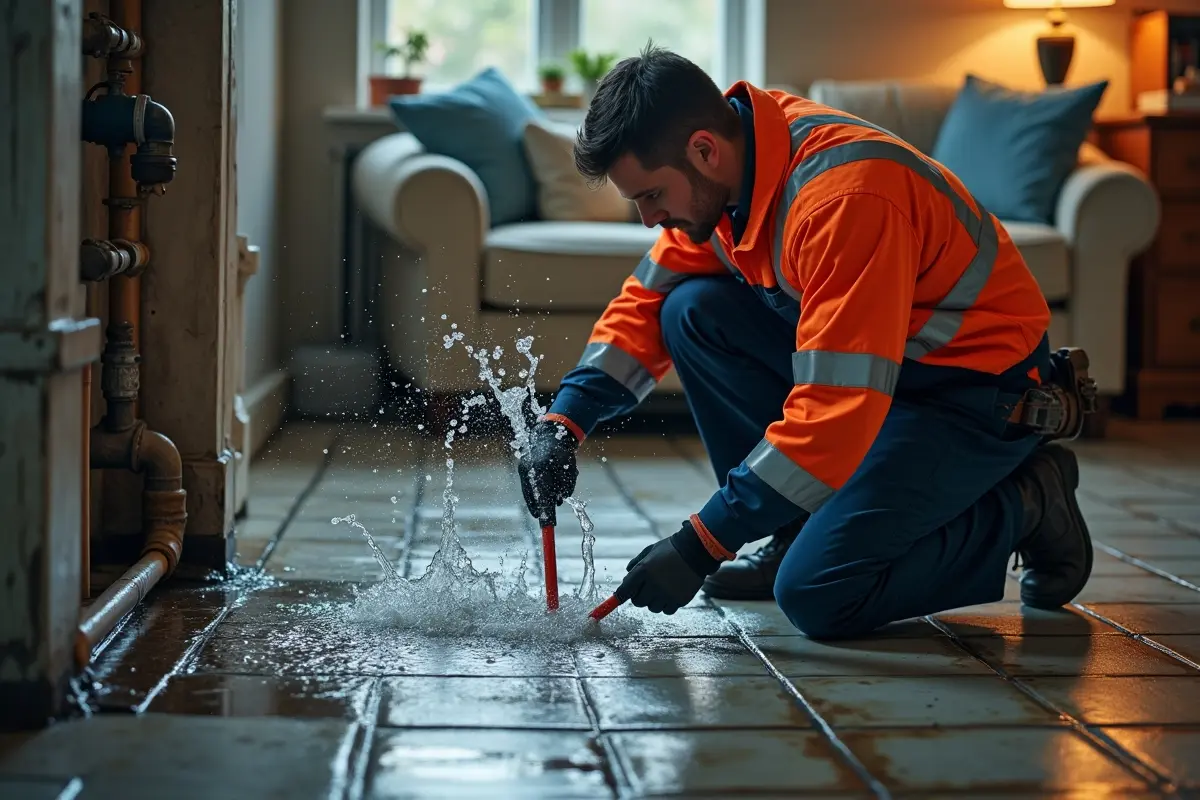
Responding quickly during a plumbing emergency starts with turning off the water supply. Locate the main water shut-off valve in your home and close it tightly to stop water flow. For isolated issues such as a leaking sink or overflowing toilet, use the local shut-off valve for that particular fixture. It is equally important to turn off the electricity if water is near electrical appliances or outlets to reduce the risk of electric shock. These first steps can keep the situation contained before professional assistance arrives.
Once the water and electricity are off, remove as many valuables as possible from the affected area. Use towels, buckets, or mops to soak up standing water, but only if it is safe to do so. Avoid entering rooms where the ceiling is bulging from retained water, as this signals imminent collapse.
Another key aspect of plumbing emergencies is recognizing when a stoppage is causing a backup or overflow. Slow drainage or recurring backups require prompt attention, often from specialized professionals who can clear plumbing stoppages with appropriate tools and techniques.
Preventing Water Damage
Water damage can spread far beyond the original source in minutes. Flooring, drywall, and personal belongings are all vulnerable. According to the Insurance Information Institute, water is one of the most common causes of property damage, often resulting in repairs averaging thousands of dollars per incident. Fast action means less water can seep under floors or behind walls, reducing the overall extent of what you need to replace or restore.
Homes are particularly susceptible to mold growth within 24 to 48 hours of a water event. By quickly drying affected areas and calling for a professional assessment as soon as possible, you significantly reduce this risk.
Health and Safety Concerns
Flooding and sewage backups are not just inconvenient; they pose significant health hazards. Contaminated water introduces bacteria, viruses, and other pathogens into your living environment. Mold, which thrives in moist conditions, can compromise indoor air quality, particularly for those with allergies or asthma. Children, seniors, and anyone with respiratory conditions are especially at risk.
Swiftly isolating the danger prevents these biological threats from taking hold or spreading to other rooms. In addition, quickly clearing standing water prevents slips and falls, which are common secondary injuries during flooding incidents.
Protecting Your Home’s Structure
Persistent moisture can undermine the stability of wood framing, corrode metal supports, and weaken concrete foundations. In multi-story homes, leaks from upper floors can flow into lower stories, damaging ceilings, insulation, and even critical lighting systems. Once structural elements are compromised, the repair process becomes much more labor-intensive and expensive.
Timely interventions contain such threats before they cascade throughout your property, helping you avoid further degradation and maintain the integrity of your building’s framework.
Reducing Repair Costs
Financially, the longer a problem festers, the higher the final bill. Emergency plumbing repairs that are resolved quickly are usually less expensive than those that require extensive work to repair water or mold damage. Tackling problems while they are small can make the difference between a minor repair and a major renovation.
Additionally, insurance claims are often dependent on how fast you respond. Insurers may reduce or even deny claims if they determine negligence or delay in addressing the emergency. Acting promptly ensures your documentation and claims process proceeds smoothly.
Ensuring Continuity of Daily Life
Plumbing emergencies can halt everyday routines, shutting down kitchens, bathrooms, or even the entire home until repairs are made. For families, this means interrupted schedules and stress. For businesses, the costs rise further, with lost revenue and potential health violations if water flows unchecked.
Speedy, decisive action restores essential services to normal, minimizing downtime and keeping your life or business running smoothly.
Conclusion
When faced with a plumbing emergency, seconds count. Acting swiftly and knowing the immediate steps to take are vital for reducing water damage, protecting health, safeguarding your home’s structure, saving on repair costs, and ensuring day-to-day activities return to normal quickly. Every homeowner should have an action plan in place and be prepared to contact professionals if problems arise.