Maintaining a pest-free environment in residential areas is crucial for ensuring the health and safety of all occupants. Pests such as rodents, insects, and other vermin can cause significant damage to property and pose various health risks. By following the best practices for pest control, homeowners can effectively manage and prevent pest infestations.
Understanding Common Pests
Before implementing control measures, it is essential to understand the types of pests commonly found in residential areas. These include rodents like rats and mice, insects such as ants, cockroaches, and termites, as well as other pests like spiders and bedbugs. Each type of pest requires a specific approach for effective control.
Preventive Measures
Prevention is the first line of defense against pests. Here are some preventive measures that can help keep pests at bay:
- Maintain Cleanliness: Regular cleaning reduces the likelihood of pests finding food and shelter. Ensure that food is stored in sealed containers and that waste is disposed of properly.
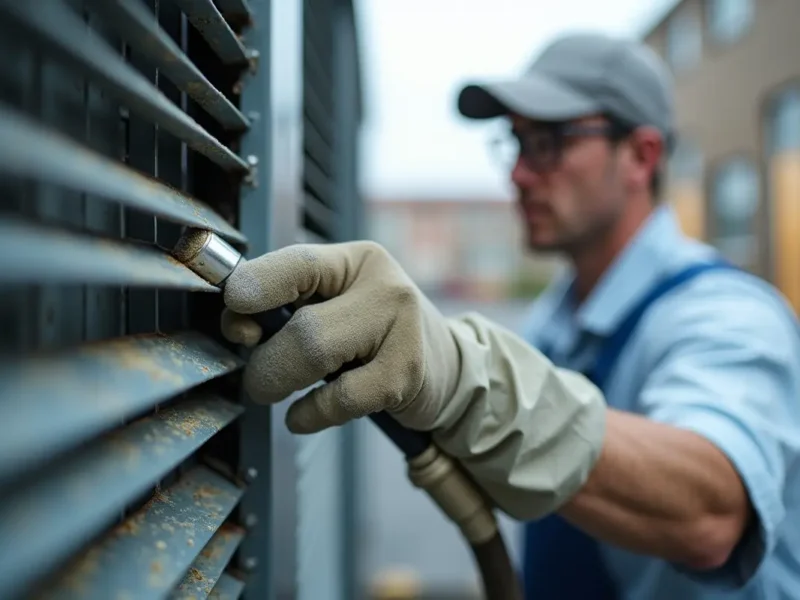
- Seal Entry Points: Inspect your home for potential entry points such as cracks, gaps, and holes. Use caulk or weather stripping to seal these areas and prevent pests from entering.
- Reduce Clutter: Clutter provides hiding places for pests. Keep your home organized and eliminate unnecessary items that could serve as a habitat for pests.
- Proper Landscaping: Trim bushes, trees, and other vegetation away from the house to reduce the likelihood of pests using them as pathways into your home.
Integrated Pest Management (IPM)
Integrated Pest Management (IPM) is a comprehensive approach that combines multiple strategies to manage pests effectively. IPM focuses on long-term prevention and minimal use of chemicals. Key components of IPM include:
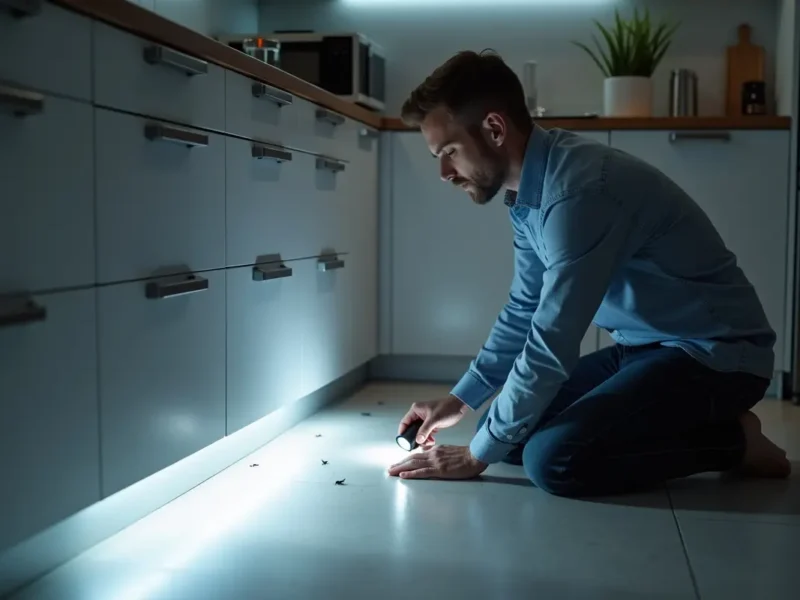
- Monitoring: Regularly inspect your home for signs of pest activity. Early detection is crucial for effective management.
- Identification: Correctly identify the pest to implement the most effective control measures.
- Control Methods: Use a combination of physical, biological, and chemical control methods. Physical methods include traps and barriers, while biological methods involve natural predators or parasites.
- Evaluation: Continuously evaluate the effectiveness of your pest control efforts and make adjustments as necessary.
Professional Pest Control Services
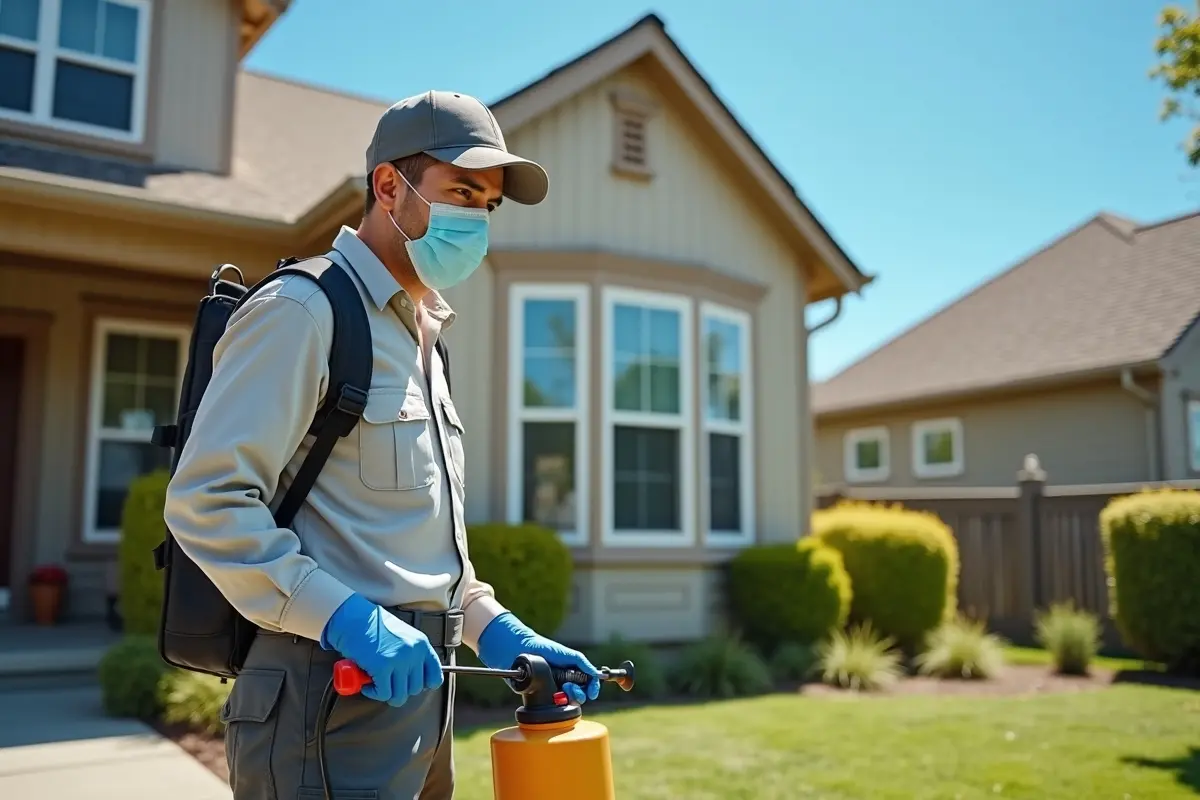
In some cases, professional pest control services may be necessary, especially for severe infestations. Experts can provide tailored solutions and have access to specialized tools and knowledge. For residents in the Huntsville area, Rodent control Huntsville services can offer targeted pest management solutions.
Conclusion
Effective pest control in residential areas involves understanding the types of pests, implementing preventive measures, and utilizing integrated pest management strategies. By staying vigilant and proactive, homeowners can protect their property and well-being from the threats posed by pests. When needed, professional services can offer additional support to ensure a pest-free environment.