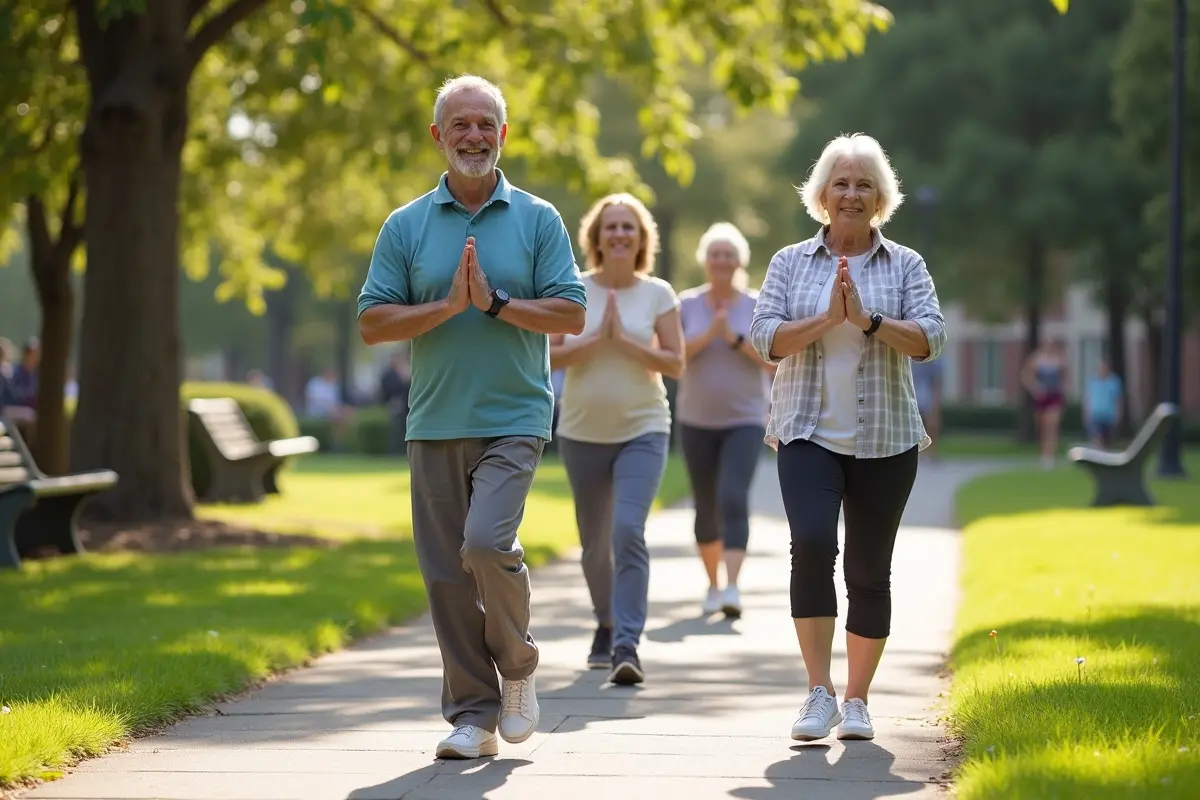
For most, the idea of moving to a retirement community connotes a loss of independence, an admission of waning health. So it’s no wonder they resist until they can’t. Growth in demand for independent living in the last quarter-century has been minimal, as healthier older adults defer moving until their frailty or the loss of a partner forces their hand. That’s a shame. By then, the physical and emotional stresses of adapting to a foreign way of life can outweigh the benefits of newfound care.
Contents
Removing friction from fitness
Numerous studies have now shown that regular physical activity is one of the most important factors in preserving independence as we age, and it becomes even more significant the older we get. The tiny habitat modifications like shower rails aren’t what keep you in your own home 20 years into retirement, but regular physical activity could be.
Features like fitness centers and indoor pools make places to live sound like resorts, but the distinction between “resort” and “nursing home” facilities gets at how muddled the semantics can be here. These are all choices about how and where we live long lives, and as American baby boomers hit retirement age at an unprecedented clip, this is an area more of us need to be paying attention to.
What communal dining actually does
The communal dining room may seem like a convenience, but it’s much more than that. For starters, having a shared meal serves as a daily social anchor – something most older people who live alone lack. Eating alone is a major indicator of depression and poor food intake in the elderly. A structured meal in a shared space breaks that isolation at least twice, if not three times a day.
The other benefit of this that I do not see mentioned often is that communal dining serves as an informal check-in. Staff and neighbors know if you aren’t there. The ambient awareness – people knowing you’re missing – is simply something that does not exist if you live alone in a home.
The cognitive case for community
Brain games are good, but a well-run weight room and a certified personal trainer are better. Storage for art supplies, a kiln, and a weekly ceramics workshop are excellent. All of these offerings are almost universally appreciated, but a program that gets only five or ten of the same residents involved doesn’t check the activity box. Build it and they’ll come, but first, you have to build it right.
A good retirement community activity schedule is broad, dense, and redundant. There should be multiple appealing options at multiple points throughout the day. A meal in your community dining room is a social opportunity, for example, as is game night or book club meeting a few hours later. Residents of many of the best independent senior living communities minnesota will tell you: they’re familiar faces.
The stress reduction you didn’t expect
If you ask anyone who has made the move from a large family home to a maintenance-free apartment what surprised them most, they’ll probably say it was the amount of mental real estate they found themselves with, seemingly out of the blue.
Lawn care, roof repairs, appliance failures, winter maintenance — these are not just things you must handle. They’re small, ambient sources of stress that you won’t notice until after they’re gone. They magically vacuum cortisol from your brain and occupy precious things-you-might-forget mental real estate. And they randomize your day, since you never know when the repair person or the plumber or the snow blower is going to arrive.
This isn’t merely time. This is cognitive payload, stuff you don’t have to think about. Stuff you can now use on other things, such as being a better spouse, parent, grandparent, playing the piano, studying French, keeping in touch with friends, being healthier, etc.
Purposeful aging isn’t passive
Wellness in retirement is a broader subject than just access to clinics and diet. It’s physical, financial, social, and emotional health, all intertwining. People don’t have identical needs in any of these areas, so a successful retirement community needs a high degree of personalization in each.
Physical activities need to vary in level and type to meet different needs, and supported access to physicians and therapists is crucial to continued independence. Transportation and walkability can become harder to manage as vision and reflexes change with age; the more adaptable these systems are, the less “stuck” older residents become.
Socially, introverts are just as common among the older generation and need equal care to ensure they’re getting the right amount of human engagement for their mental well-being. But connection is crucial for all, so if it doesn’t happen naturally it has to be incentivized. It can’t be overstated how much a regular chess game, Bible study group, or book club can improve someone’s remaining years if they’re the types that recharge this way.