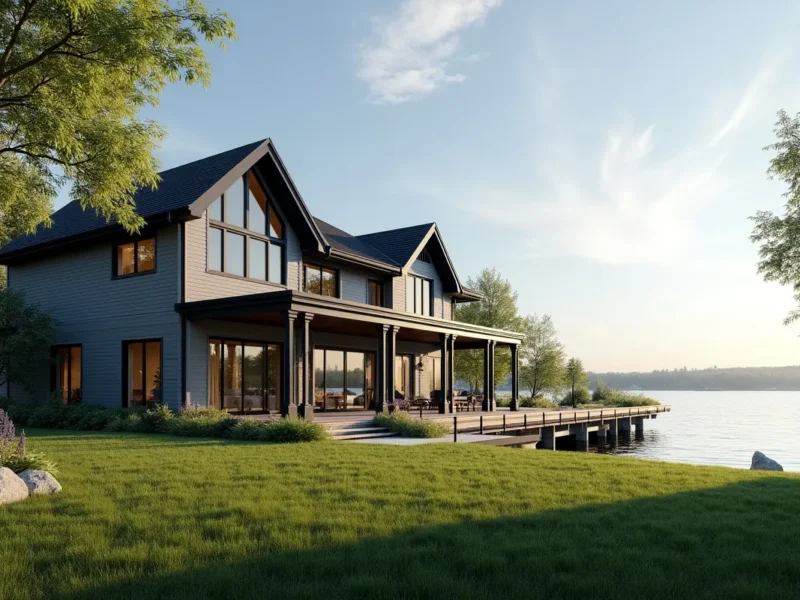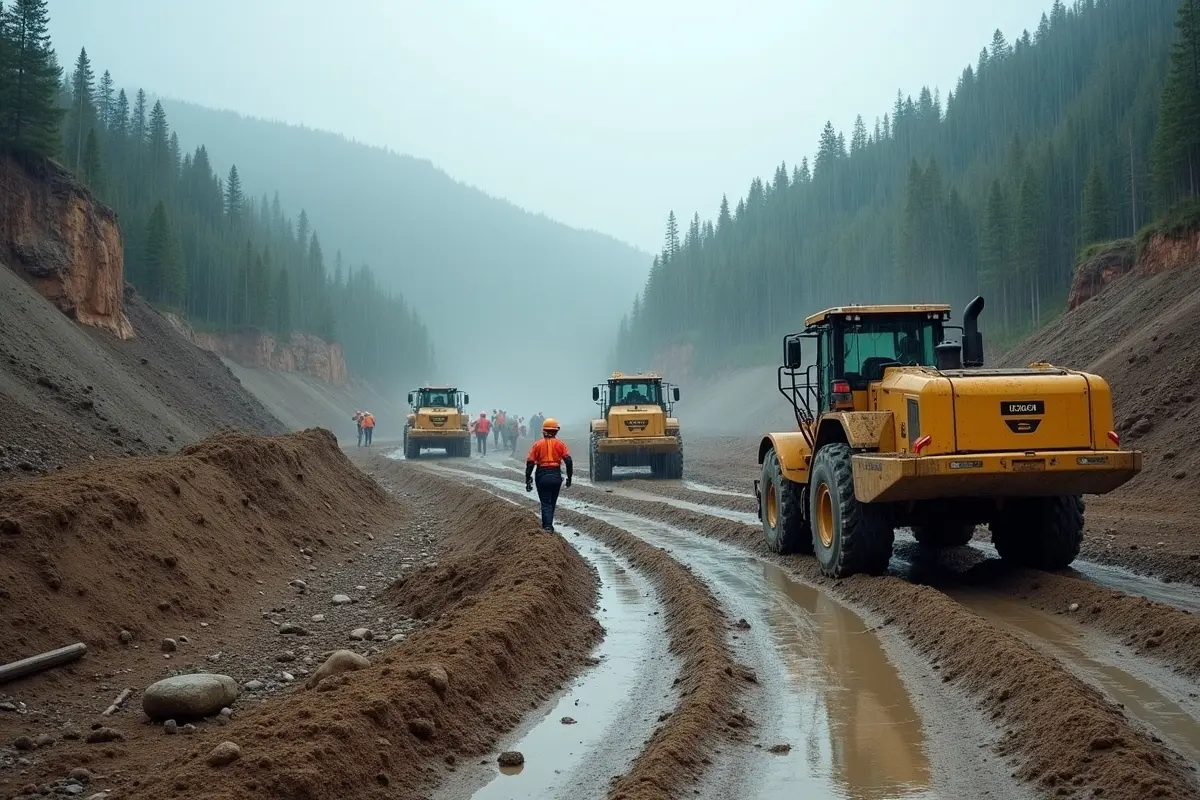
No two construction sites present the same set of conditions. A project that runs smoothly in one location may face completely different challenges just a few hundred miles away because of climate, landscape, or transportation limits. Global construction depends on understanding those local realities early so project teams can adapt before they affect schedules, budgets, or safety.
Contents
- 1 Weather Patterns Shape More Than the Construction Schedule
- 2 Ground Conditions Determine How Construction Begins
- 3 Limited Site Access Changes Equipment and Material Planning
- 4 Remote Locations Require Smarter Resource Coordination
- 5 Seasonal Changes Influence Productivity Throughout the Project
- 6 Local Infrastructure Can Affect Construction Efficiency
- 7 Environmental Conditions Continue to Influence Long-Term Performance
- 8 Experienced Global Teams Adapt to Changing Site Conditions
Weather Patterns Shape More Than the Construction Schedule
Rain, snow, extreme heat, strong winds, and seasonal storms influence nearly every phase of a project. Concrete placement, steel erection, earthwork, paving, roofing, and lifting operations all depend on weather conditions that allow crews to work safely and maintain quality standards. Ignoring local climate patterns can lead to damaged materials, interrupted work, or unnecessary delays.
Regional weather also affects long-term planning. Construction managers often adjust schedules around rainy seasons, freezing temperatures, hurricane risks, or periods of extreme heat instead of reacting after problems appear. Navigator International Global Construction recognizes that successful planning begins with realistic expectations about local environmental conditions rather than ideal forecasts.
Ground Conditions Determine How Construction Begins
Every building relies on the stability of the ground beneath it. Rocky terrain, soft soils, wetlands, steep hillsides, and sandy conditions each require different engineering approaches before foundations can be installed. Site investigations help determine how the land will support structures and what preparation may be necessary.
Unexpected subsurface conditions can quickly change project costs if they are discovered too late. Soil testing, geological surveys, and drainage studies allow engineers to design foundations that match actual site conditions instead of relying on assumptions. International construction projects often invest significant time in these early evaluations because foundation work influences everything built afterward.
Limited Site Access Changes Equipment and Material Planning
Some projects are located near busy cities with excellent transportation networks, while others sit in remote regions where access is far more difficult. Narrow roads, mountain passes, undeveloped terrain, ports, or temporary access routes can all affect how equipment and materials reach the jobsite.
Logistics planning becomes especially important in these situations. Construction teams may need to stage deliveries, adjust equipment sizes, or create temporary access roads before major work begins. Nav Int understands that transportation planning is often just as important as construction planning on remote or difficult sites.
Remote Locations Require Smarter Resource Coordination
Projects far from established infrastructure demand additional preparation. Workers may need temporary housing, fuel deliveries, mobile offices, equipment maintenance areas, and reliable communication systems before construction can begin. Supporting those daily operations becomes part of the overall project strategy.
Resource planning often includes:
- Temporary workforce accommodations
- Fuel storage and equipment servicing
- Material staging and inventory control
- Emergency response planning
- Reliable communication systems for field teams
Organized support allows construction activities to continue even when outside services are limited. Global construction depends on creating stable operating conditions regardless of how remote the project location may be.
Seasonal Changes Influence Productivity Throughout the Project
Construction rarely experiences the same working conditions from start to finish. Temperature shifts, daylight hours, humidity, rainfall, and seasonal winds all affect productivity at different times of the year. Planning around these predictable changes helps reduce interruptions before they occur.
Material performance can also vary with the seasons. Concrete cures differently in cold weather, coatings respond to humidity, and earthmoving becomes more difficult after extended rainfall. International construction schedules often account for these factors months in advance rather than adjusting after delays develop.
Local Infrastructure Can Affect Construction Efficiency
The quality of nearby infrastructure plays an important role in project performance. Reliable highways, ports, airports, rail systems, and utility networks help move workers, equipment, and materials more efficiently. Areas with limited transportation options often require additional planning before construction begins.
Utility availability also influences project sequencing. Temporary power, water supply, communications, and waste management may need to be established before permanent systems are installed. Navigator International Construction Company understands that successful projects depend on both the construction site and the infrastructure supporting it.
Environmental Conditions Continue to Influence Long-Term Performance
Weather and terrain affect more than the construction phase. Buildings must continue performing long after crews leave the site, often under the same environmental conditions that influenced construction.
Wind exposure, heavy rainfall, coastal environments, seismic activity, and temperature extremes all shape material selection and structural design. Durability becomes a priority during planning.
Engineers evaluate drainage systems, corrosion protection, roofing assemblies, insulation, and structural materials based on how the completed facility will perform throughout its service life. Careful planning helps reduce maintenance needs while improving long-term reliability.
Experienced Global Teams Adapt to Changing Site Conditions
Every construction project brings a different combination of weather, geography, logistics, and operational demands. Success depends on recognizing those variables early and adjusting plans before they interrupt progress. Teams with international experience are often better prepared to respond because they understand how local conditions influence every stage of construction.
Construction projects in different parts of the world demand experience that goes beyond building techniques alone. Navigator International supports clients with integrated project execution, cross-border coordination, infrastructure expertise, technical planning, and disciplined project management tailored to complex environments. Whether the project involves remote locations, challenging terrain, or large-scale international development, Navigator International has the capability to deliver reliable solutions that align with demanding project goals.