Healthcare is not an area of work in which people should receive some kind of training or education in order to enter the field. Nursing employees must obtain training, medical technicians require certifications, and even clerical work in healthcare requires some type of background in that field. Caregiving, however, has opened up a field in which people of non-healthcare related backgrounds can enter this area and be successful—no medical degree needed, no years’ worth of prerequisites, just a willingness to learn and to assist people.
People are entering caregiving from backgrounds like retail, teaching, office work, restaurant work, and dozens of other areas. People are discovering that caregiving requires many of the same skills they have been using for years, while also teaching them new skills on the job. It’s an area that works as a profession because the job requires different things than other jobs—and those same requirements are not hindered by educational requirements.
What The Job Requires
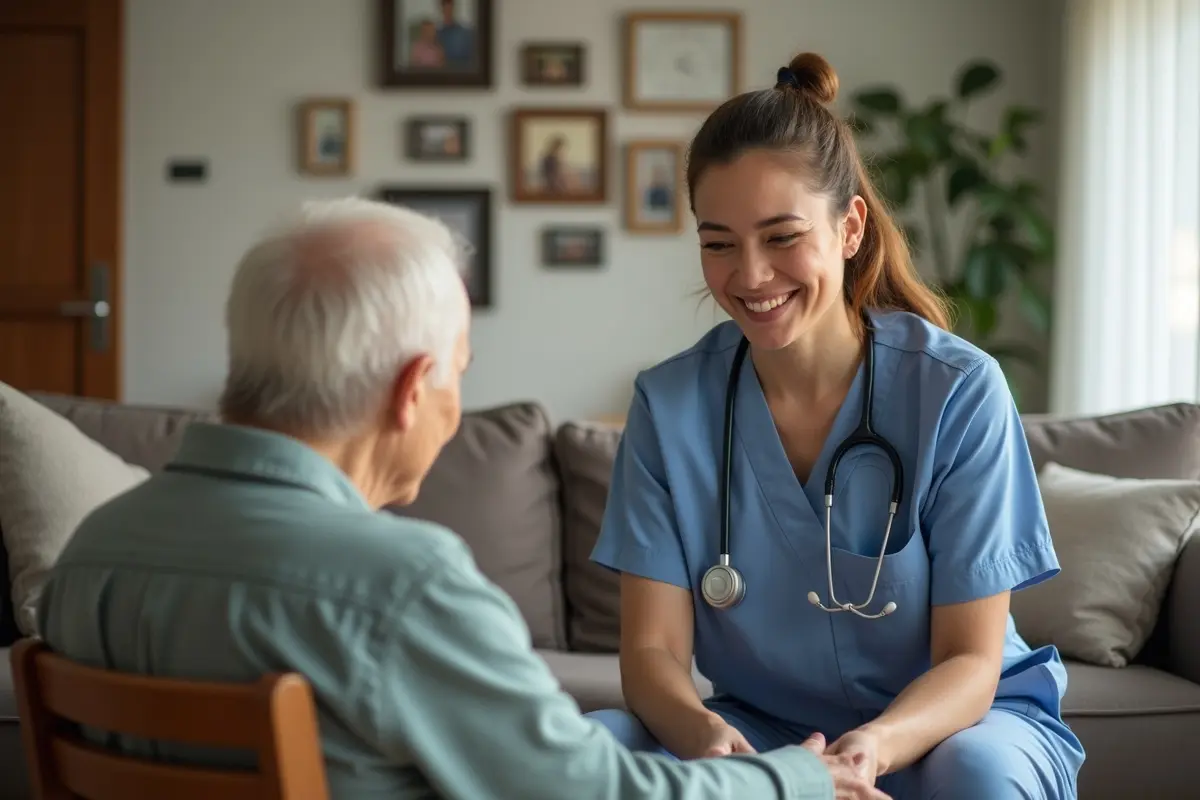
Caregiving is not an area of work that requires someone to perform medical-related tasks or make medical decisions. Caregivers assist people with tasks that they can no longer complete safely on their own. These tasks include bathing, dressing, meal prep, taking medication (and reminding the to do so), some light housekeeping, driving, being a companion and more. None of these tasks require medical knowledge. However, all of these tasks do require patience, care, and attentiveness to the patient as a human being.
Those with backgrounds in customer service flourish in the interpersonal areas of caregiving. Caregivers are used to dealing with people from a variety of backgrounds, dealing with attitudes, and remain calm in frustrating situations. These skills directly apply to caregiving because every patient is different and they find it more beneficial to be flexible than rigid in this area.
People who have worked as teachers have patience, can communicate clearly, and explain things in a way that makes sense to people. They know how to adjust their work with people on a case by case basis, and so does caregiving. Physical therapists must adjust therapy exercises for patients; caregivers must adjust how they assist patients according to that patient’s own abilities and wants.
The Training Is On The Job
Here’s what probably surprises people: much of the work that caregivers have to perform does not come with prior knowledge; it comes with on-the-job training. For those interested in this type of field shift, opportunities to Apply for Caregiver Job positions come with the training required to learn the tasks of these jobs.
New caregivers learn how to correctly assist someone to get around; how to notice certain signs that indicate something might be wrong with one of their patients; what changes need to be noted in caregivers, etc. This form of training is actually on-the-job training, not training that occurs in traditional academic settings.
After caregivers are initially trained, they continue to learn while they are employed in their positions. This usually involves working with various patients who have different ailments and a variety of needs. Someone who has never worked with dementia patients learns how to work with them; what calms them down when they get angry; how to assist with the changes in their thought processes, etc. This isn’t knowledge that can actually be found in a text book anyhow; it’s knowledge learned through practice.
The Skills That Actually Matter
The most important skills lacking any medical knowledge that successful caregivers possess are interpersonal skills. Empathy matters here. Understanding where someone is coming from personally; understanding why someone might be frustrated (even if you don’t understand why they’re acting the way they’re acting); honoring the person as a human being instead of a disease can change how well this process works.
Re dependability also matters immensely. If you cannot show up when you’re supposed to, complete tasks in a timely manner, or perform professionally and with the expected performance levels, people who require your assistance are in danger.
Problem solving skills do help caregivers in actual practice too—but these skills must be practical skills, not levels of knowledge skill. Determining how to help someone who has challenges walking or standing get dressed; preparing a meal for someone who has food restrictions; devising a plan to ensure someone can enjoy an activity that he/she/they used to love but now struggles cognitively—it’s these challenges that caregivers face every day.
Communication skills matter too—for the caregiver who needs to relay messages from patients (what they want/need) and communicate with the supervisor regarding what they notice is wrong with patients). Well-versed communication skills can be taught without medical knowledge.
Why It Works Better Than People Expect
Those who switch professions into the area of caregiving report consistently being surprised at how “easy” the profession feels. Part of this is due to the fact that caregiving relies on universal experiences rather than expert knowledge. Most people have cared for someone else during their lives—a grandparent who is aging; a friend who is sick; a child who needs assistance. Caregiving is simply taking this instinct that people innately know how to do and then offering training for it in another package.
The flexibility of hours in this area also appeals to many people who change professions. Caregiving positions work morning shifts, afternoon shifts, night shifts, and even overnight shifts depending on the ability and flexibility of the caregiver.
The need for caregivers also allows those switching professions to actually find a stable job. The clientele of aging individuals who require caregivers is not an area that will diminish—this issue continues to grow every year. For those interested in stable jobs for years to come, caregiving offers stable employment security due primarily to the aging world population.
Employers looking for caregivers also require less of their employees than other professions do for employment. The focus is not placed on what you have done in the past; it’s placed on what you can learn if you enter this profession with sincerity and hard work towards your training.
What it Takes to Transition Into This Profession
Not everyone switching professions into the area of caregiving should be doing so—despite the lack of skill areas required before working in this area, there are still some skills or personality traits required to succeed in this field.
Some general things required include being able to care about helping others—not just tolerate it for the salary; being able to physically lift things of varying weights; being able to bend down physically; being able to stand on feet for extended periods of time; becoming accustomed to being asked to do intimate personal tasks for other people (i.e., helping them use the bathroom/bathe).
However, for people interested in a job they can switch into without going back to school or getting years worth of background knowledge; for people interested in stable employment without worry of job placement security for years to come, caregiving offers that type of opportunity for employment.
Family members appreciate caregivers for their dedication and willingness to learn about their patients rather than just offering them treatment when they need clinical care.